Ultimate Guide to Greenhouse Types: Which One Fits Your Climate & Crops?
06/01/2026
Hongqiangsheng
If you’re planning to start commercial farming, expand your farm, or invest in protected agriculture, choosing the right greenhouse type is critical. Different greenhouses are designed for specific climates, crops, budgets, and farming goals.
In this guide, we break down the most popular greenhouse types worldwide, their best regions, suitable crops, pros, and cons — so you can make a smart decision for your business.
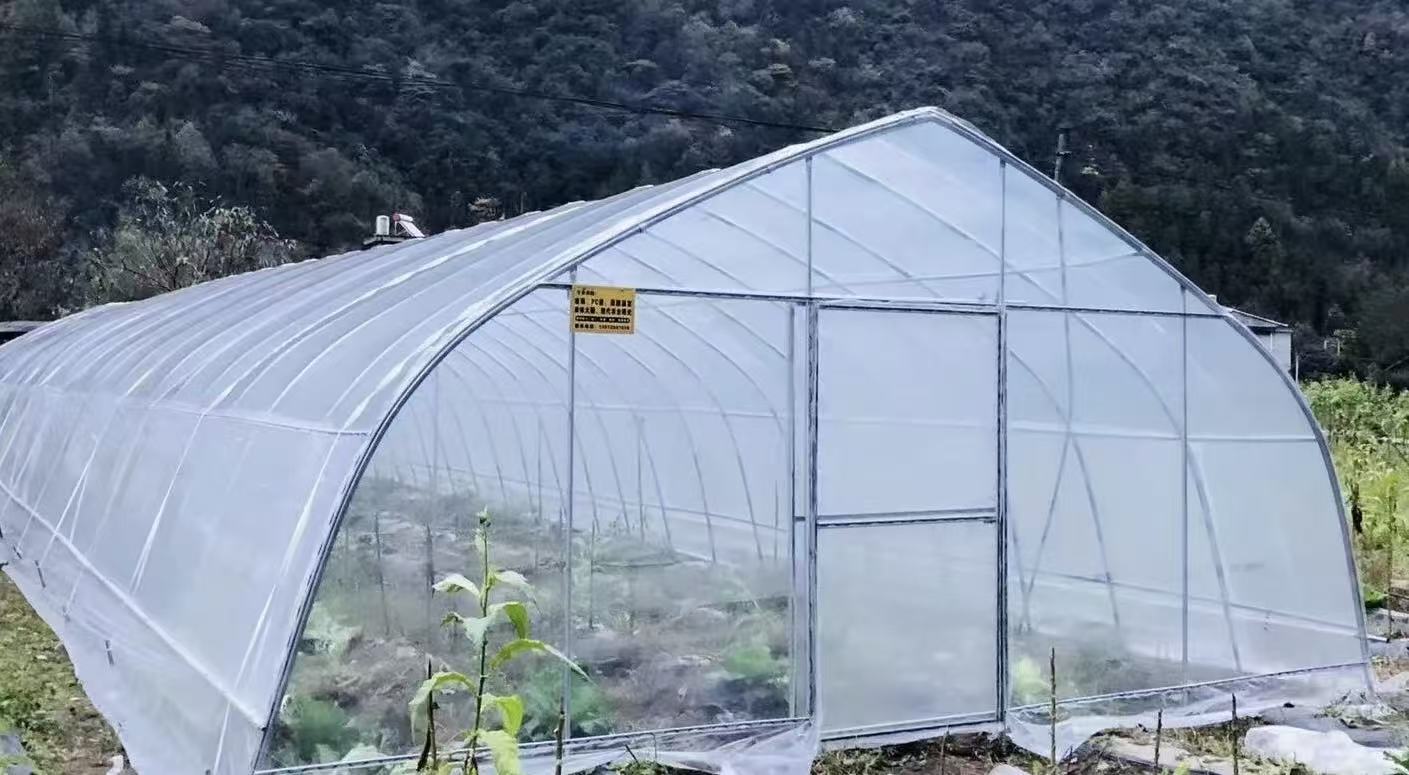
1. Single-Span Plastic Greenhouse
Best for: Small farms, beginners, temperate & subtropical regions
Suitable crops: Leafy greens, strawberries, seedlings, tomatoes, cucumbers
Pros:
- Low cost ($3–12 per sq ft)
- Fast installation (1–2 weeks for 1,000 m²)
- Flexible design, easy to relocate
- Good natural ventilation
Cons:
- Poor heat retention in winter
- Less wind/snow resistance
- Plastic film needs replacement every 2–3 years
- Limited space for mechanization
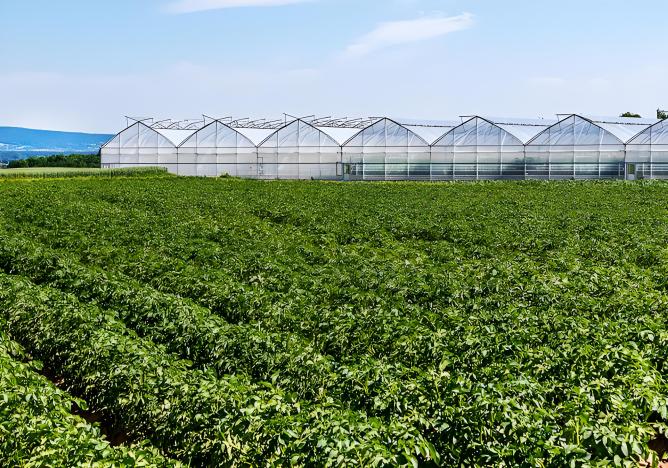
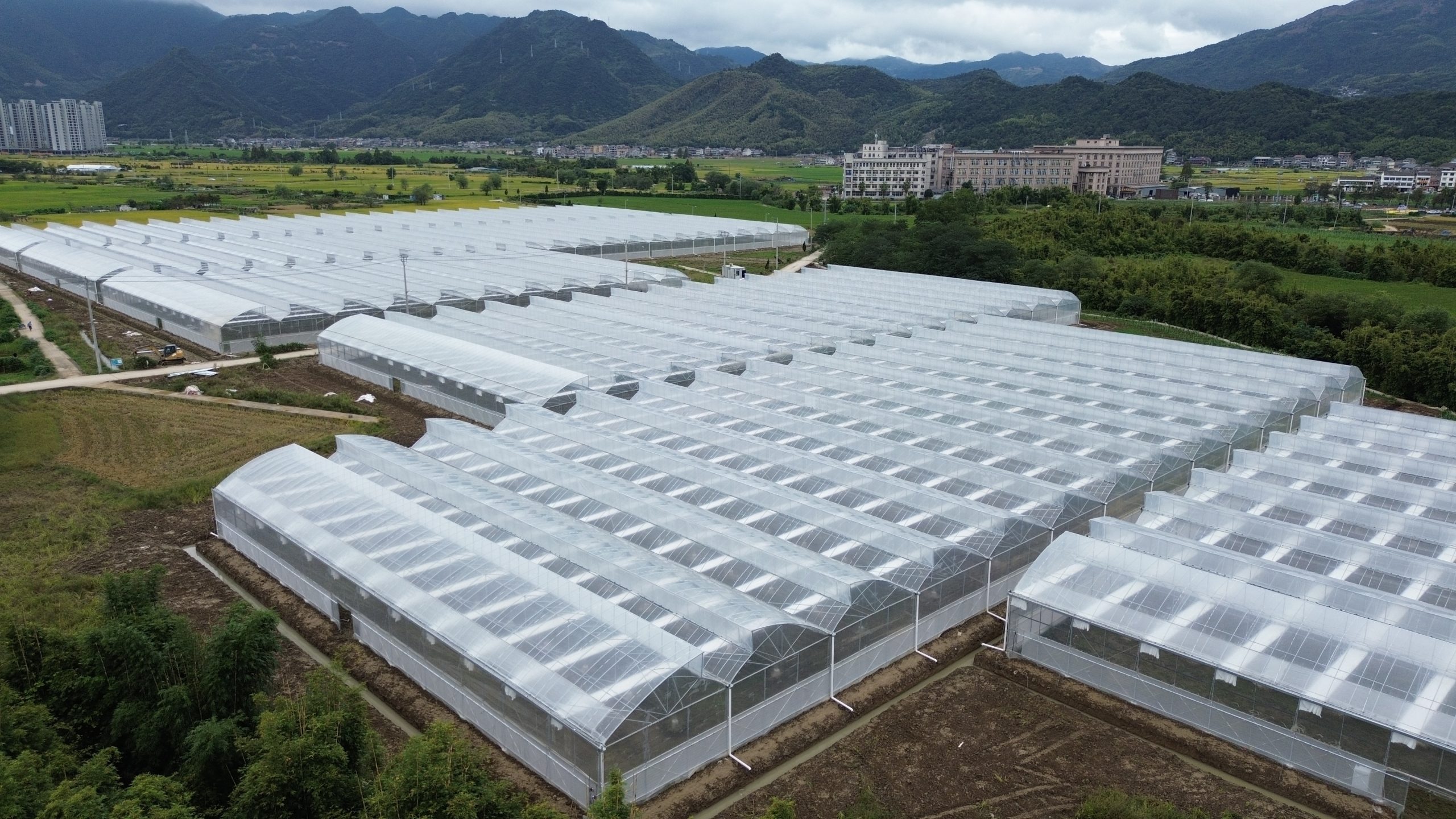
2. Multi-Span Plastic Greenhouse
Best for: Large-scale commercial farms, China, Southeast Asia, Europe
Suitable crops: Tomatoes, peppers, flowers, herbs, medicinal plants
Pros:
- Large continuous space for mechanization
- High land utilization (>80%)
- Balanced cost & performance ($7–18 per sq ft)
- Can be equipped with shading, fans, and evaporative cooling
Cons:
- Higher cooling energy cost in summer
- Moderate winter insulation
- Not ideal for strong typhoon zones
3. Sawtooth Greenhouse
Best for: Hot & humid climates — South China, Southeast Asia, Central America
Suitable crops: Leafy greens, mushrooms, tropical flowers, shade-loving plants
Pros:
- Excellent natural ventilation (hot air rises and exits through roof openings)
- Effective cooling without high energy cost
- Reduced condensation & disease risk
- Perfect for heavy rainfall areas
Cons:
- Poor heat retention (not for cold regions)
- More complex structure
- Slightly higher cost than standard multi-span
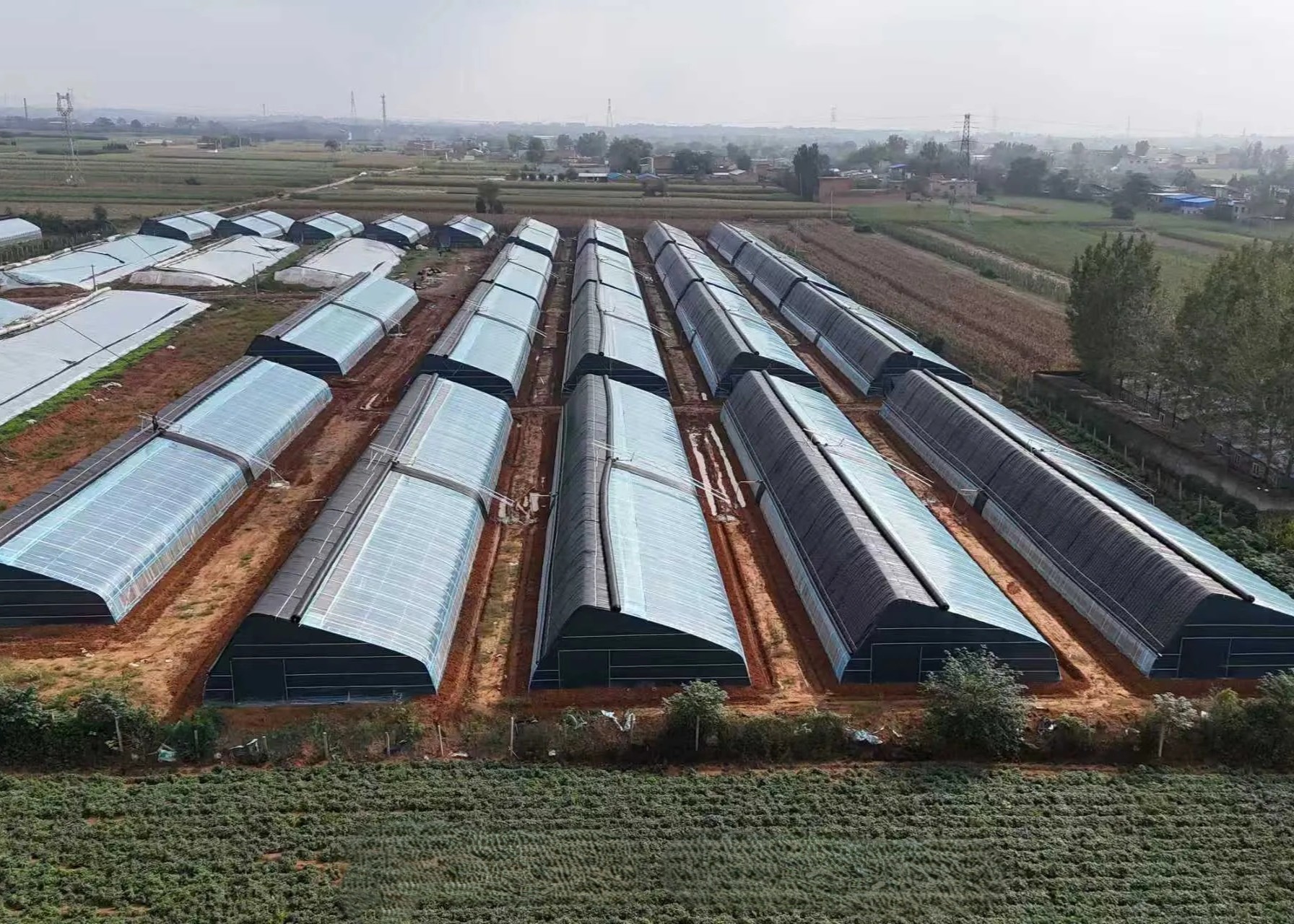
4. Chinese Solar Greenhouse (Lean-to Greenhouse)
Best for: Cold regions — North China, Central Asia, Russia
Suitable crops: Winter vegetables, strawberries, off-season fruits, seedlings
Pros:
- Superior heat storage — can grow crops in winter without heating
- Low construction cost ($5–15 per sq ft)
- Low energy consumption
- Simple operation for farmers
Cons:
- Only works in cold regions — not for warm climates
- Low land efficiency (50–60%)
- Back wall occupies large space
- Not suitable for large continuous farming
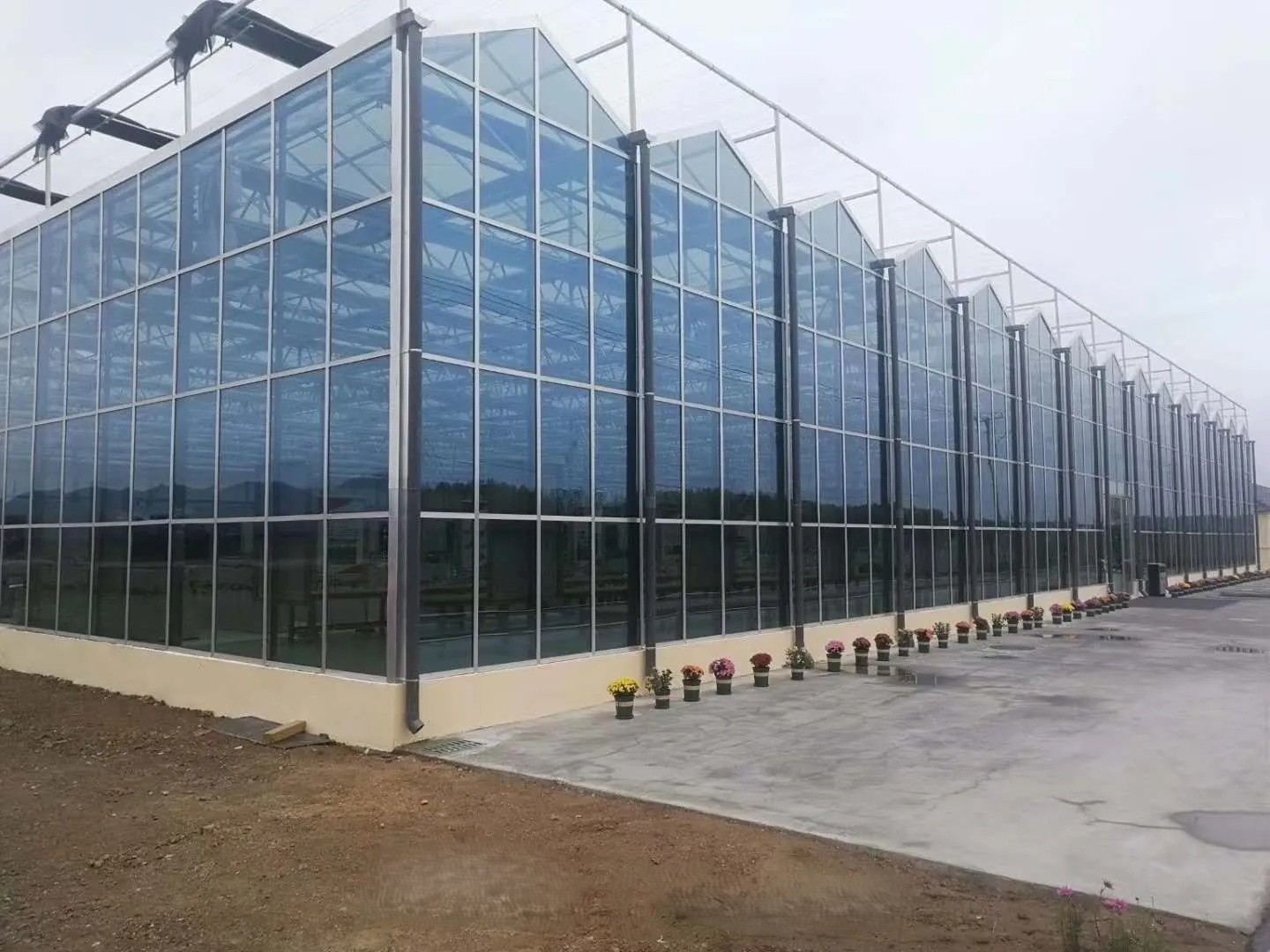
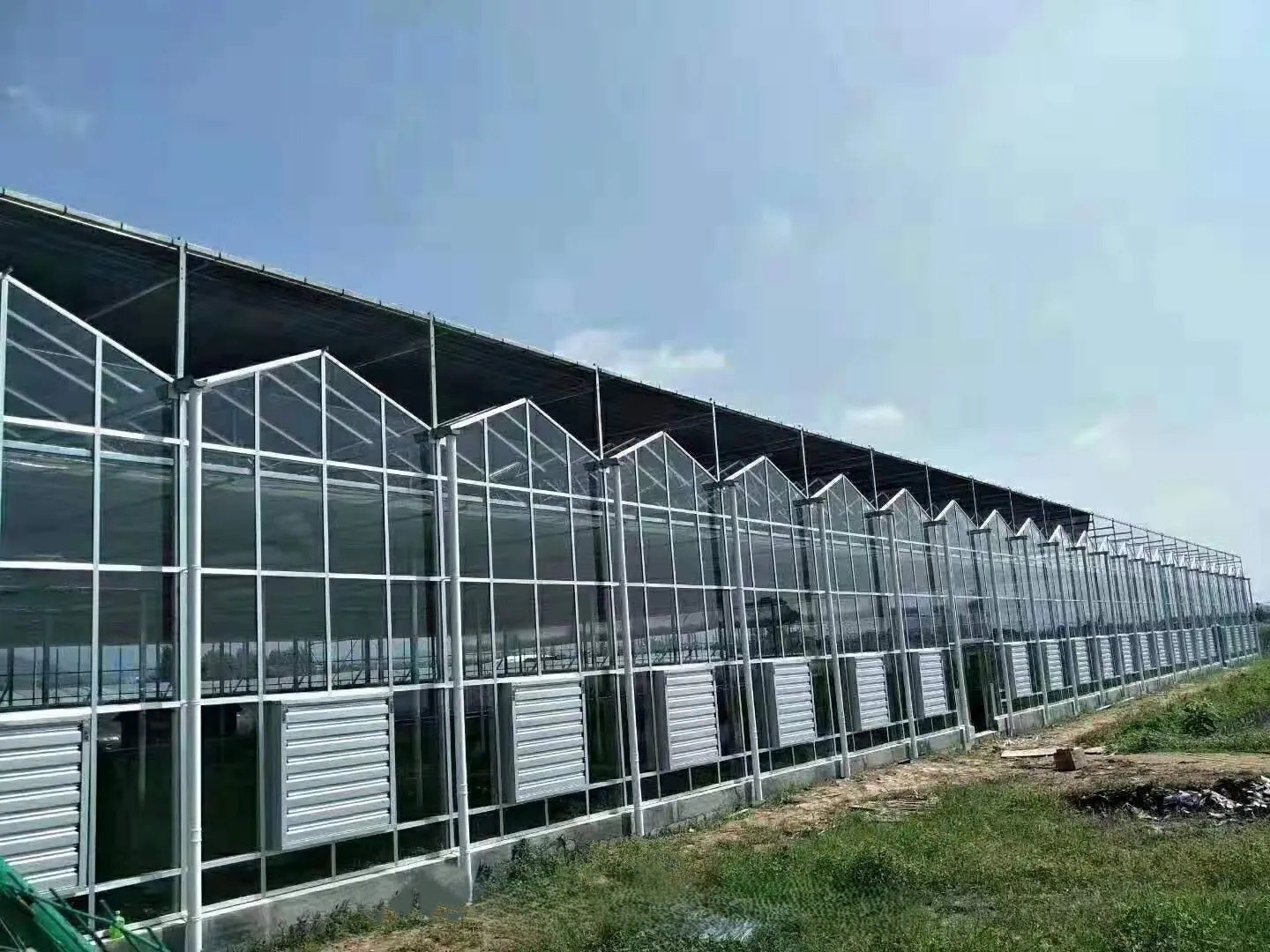
5. Venlo Glass Greenhouse
Best for: High-end commercial farming, Europe, North America, research centers
Suitable crops: Premium flowers (roses, orchids), hydroponic vegetables, seedlings
Pros:
- Highest light transmission (85–90%)
- Long lifespan (25+ years)
- Precise climate control (temperature, humidity, CO₂)
- Modern & attractive appearance
Cons:
- High cost
- High maintenance & energy cost
- Vulnerable to hail
- Requires professional management
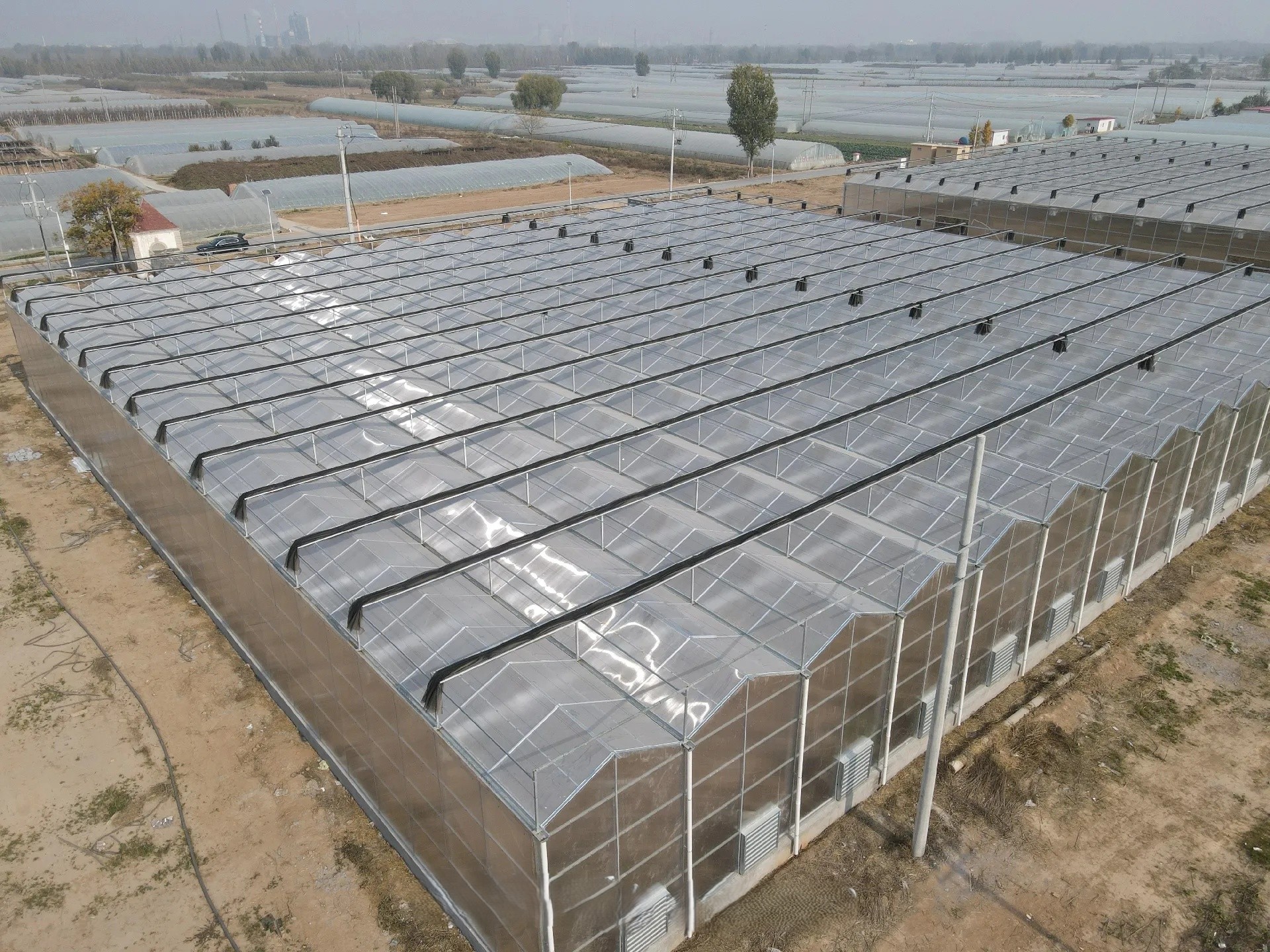
6. Polycarbonate (PC) Greenhouse
Best for: Temperate & cold regions, high-altitude areas
Suitable crops: Flowers, seedlings, ecological restaurants, high-value vegetables
Pros:
- Better insulation than glass
- High impact resistance (hail-proof)
- Long lifespan (10–15 years)
- Uniform light diffusion
Cons:
- Lower light transmission than glass
- May yellow after years
- Medium-to-high cost ($12–25 per sq ft)
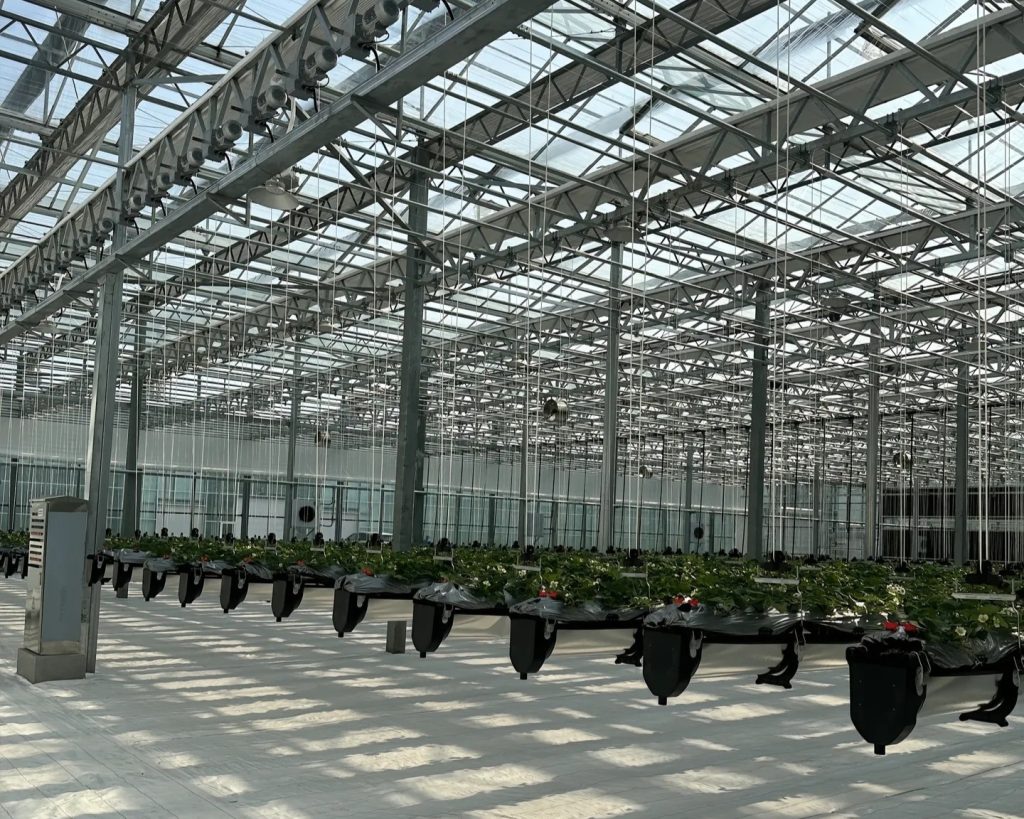
7. Smart / Climate-Controlled Greenhouse
Best for: Modern commercial farms, high-tech agriculture
Suitable crops: High-value vegetables, flowers, medicinal plants, plant factories
Pros:
- Year-round stable production
- Fully automated climate control
- Labor-saving & high yield
- Consistent crop quality
Cons:
- High initial investment
- High energy consumption
- Requires technical knowledge & maintenance
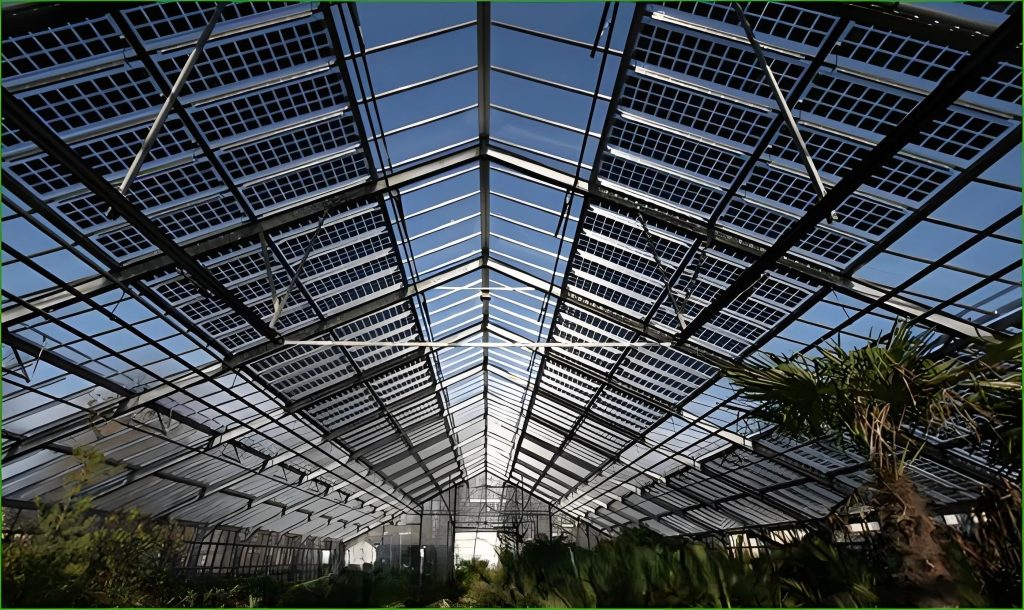
8. PV Greenhouse (Solar Greenhouse)
Best for: High-sunlight regions — Northwest China, Australia, Middle East
Suitable crops: Shade-tolerant plants, seedlings, mushrooms, herbs
Pros:
- Generates electricity while farming
- Reduces electricity bills
- Eco-friendly & government-supported
- Multi-functional use
Cons:
- Limited light for crops
- High construction cost
- Complex maintenance
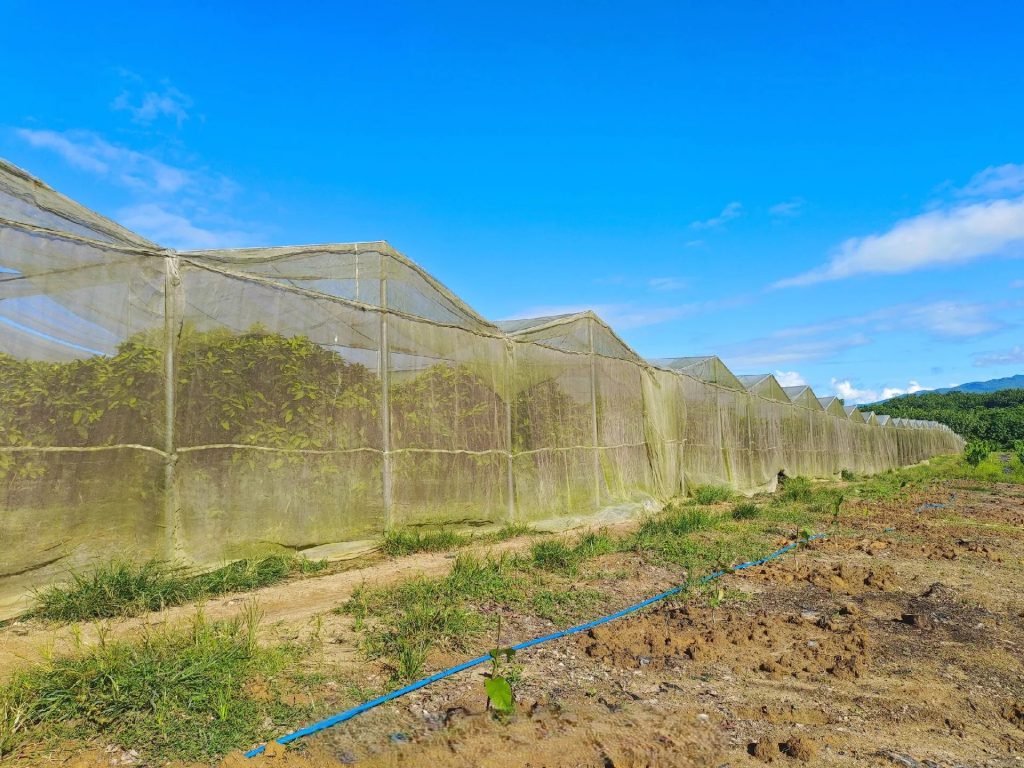
9. Shade Net House / Insect Net House
Best for: Tropical & subtropical regions, summer shading & insect control
Suitable crops: Leafy greens, flowers, seedlings, medicinal plants
Pros:
- Very low cost ($1–6 per sq ft)
- Fast installation
- Effective cooling & insect protection
Cons:
- No insulation or rain protection
- Short lifespan
- Limited climate control
Final Thoughts: How to Choose?
- Cold climate → Chinese Solar Greenhouse or PC Greenhouse
- Hot & humid → Sawtooth or Multi-Span Plastic Greenhouse
- Large commercial → Multi-Span Plastic or Venlo Glass Greenhouse
- Budget-friendly → Single-Span Plastic or Shade Net House
- High-end & research → Smart Glass Greenhouse
Choosing the right greenhouse can double your yield and cut costs in the long run.