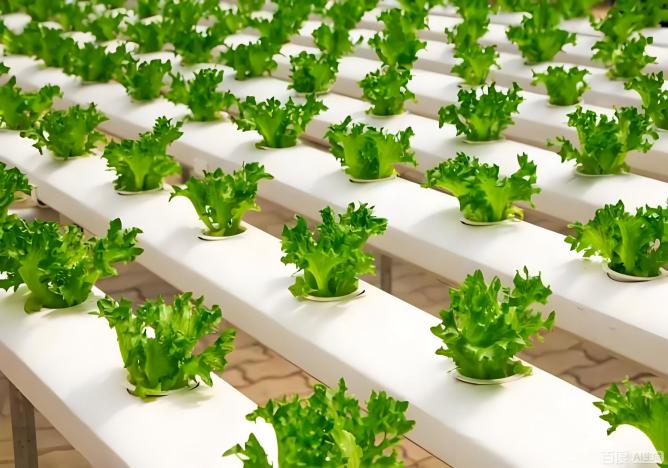
Comparison of Hydroponic Greenhouse and Traditional Soil-based Cultivation
12/01/2025
Hongqiangsheng
With the development of agricultural technology, more and more agricultural producers are exploring more efficient and sustainable planting methods. Hydroponic greenhouses and traditional soil-based cultivation are two major agricultural growing methods, each with its advantages and challenges. This article will compare these two cultivation methods, analyzing factors such as water resources, production efficiency, environmental impact, and economic benefits, to help farmers and agricultural producers choose the most suitable growing method.
1. Water Resource Utilization
Hydroponics:
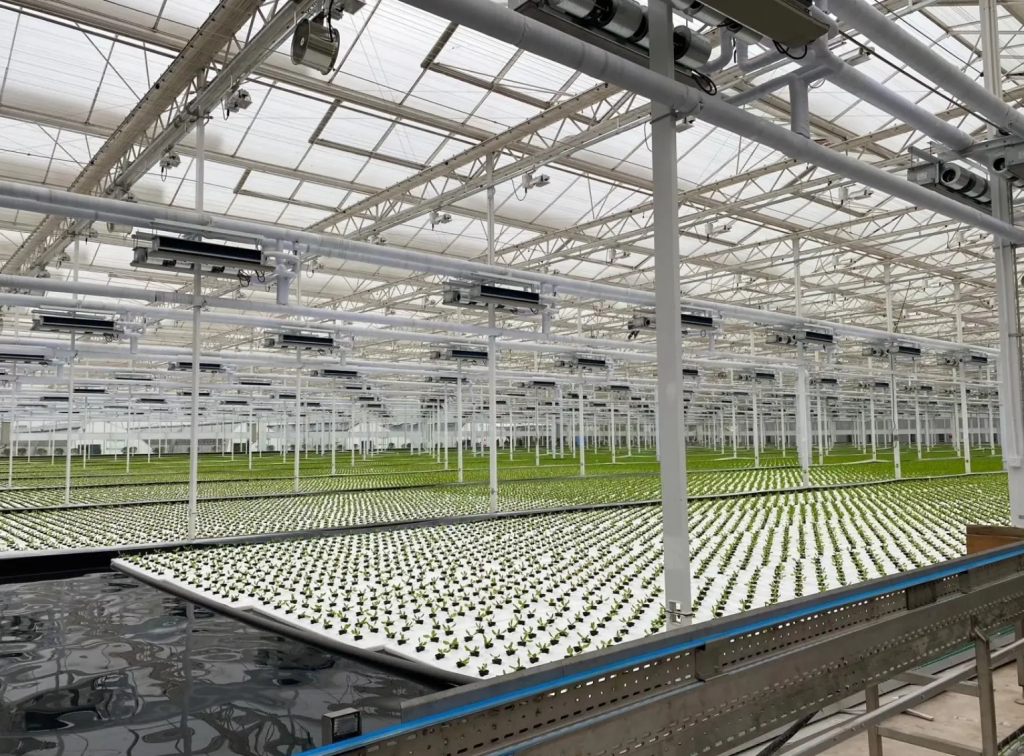
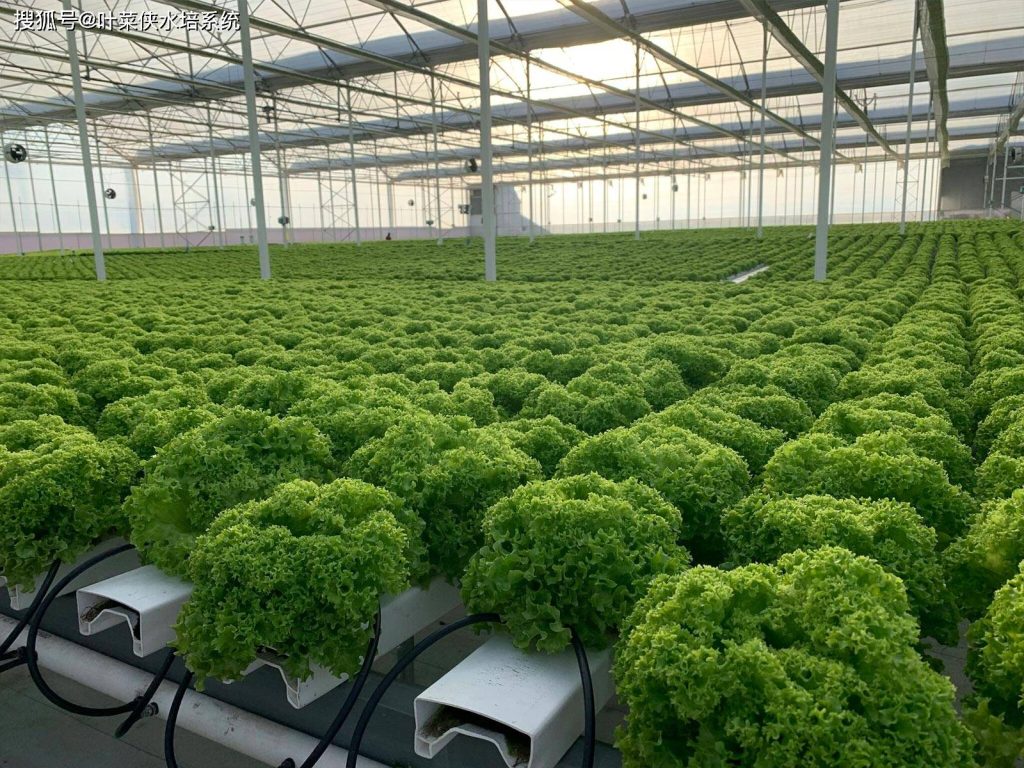
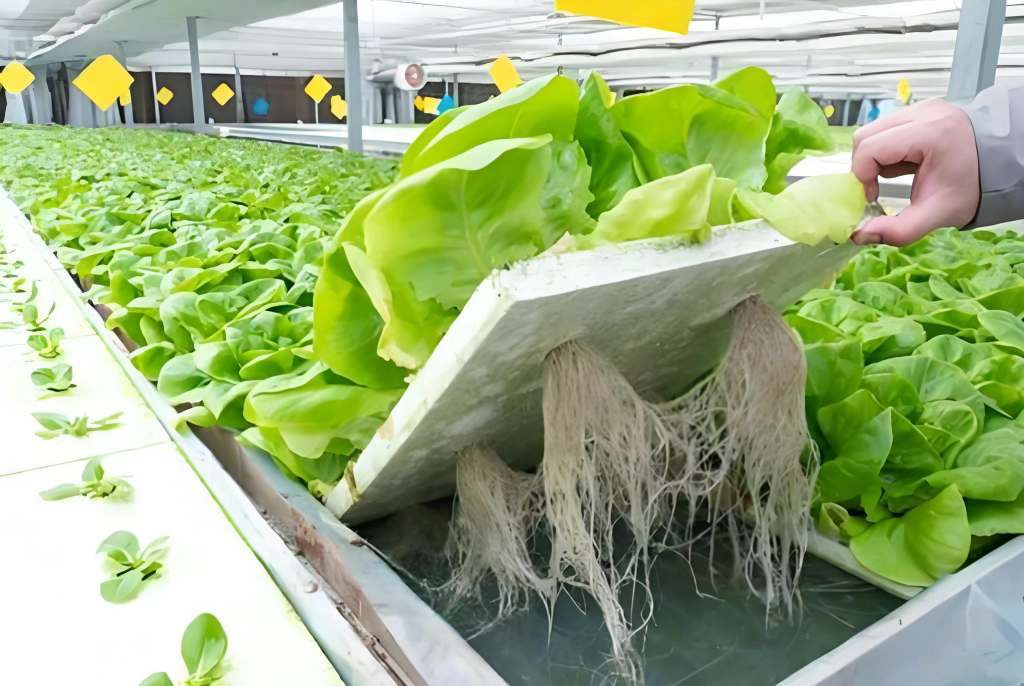
Hydroponics is a growing method that uses water solutions to nourish plants instead of soil. Compared to traditional cultivation, hydroponics is much more efficient in its use of water. The hydroponic system circulates water and nutrient solutions, ensuring that plants continuously receive the necessary water and nutrients while minimizing water waste. Studies have shown that hydroponics saves about 90% more water than traditional soil cultivation. Since water is recirculated through a closed system, it does not evaporate or seep away, which is especially important in areas with limited water resources.
Traditional Soil-based Cultivation:
Traditional soil-based cultivation relies on natural rainfall or irrigation systems. Although some areas use efficient irrigation techniques (like drip irrigation) to reduce water wastage, traditional farming still requires large amounts of water. Water in the soil is absorbed by plants, and any excess water is lost through evaporation or infiltration. Therefore, water resource management is a major challenge in traditional agriculture, especially in arid regions.
2. Production Efficiency and Growth Rate
Hydroponics:
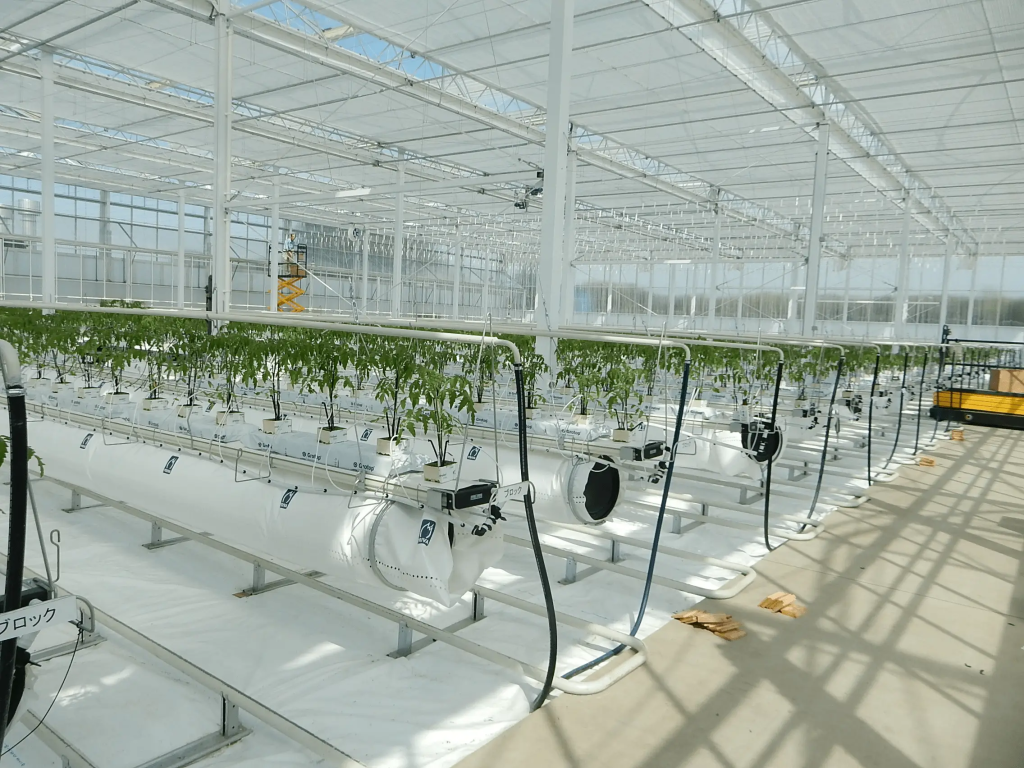
Hydroponics can significantly improve crop growth speed and production efficiency because it allows precise control over water, nutrients, temperature, and light conditions. Plants in hydroponic systems can absorb nutrients more efficiently, leading to shorter growth cycles compared to soil-based cultivation. For many high-value vegetables and fruits, such as tomatoes, cucumbers, and strawberries, hydroponics offers higher yields.
Traditional Soil-based Cultivation:
Traditional soil-based cultivation is influenced by seasonal climate, soil quality, and nutrient supply, which can result in longer growing cycles and greater variability. The fertility, pH, drainage capacity, and overall health of the soil directly impact plant growth. In adverse climate conditions, traditional soil cultivation may face greater production fluctuations.
3. Environmental Impact
Hydroponics:
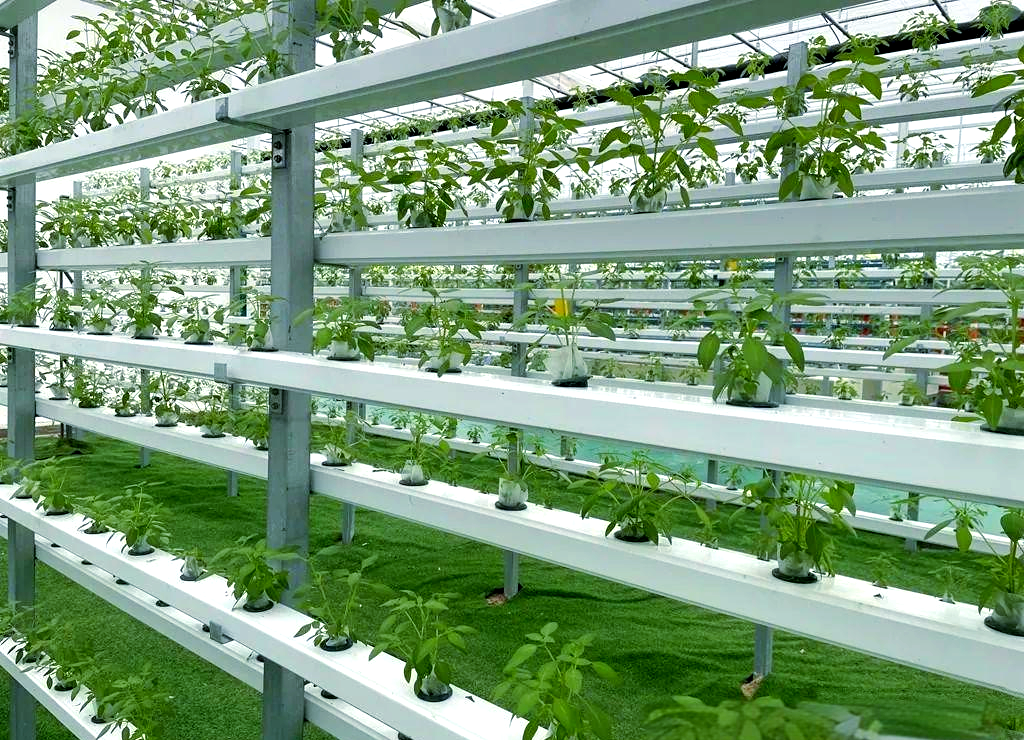
Hydroponics is considered an environmentally friendly growing method. Because it operates in a closed system, hydroponic greenhouses can effectively control greenhouse gas emissions and reduce the use of chemical fertilizers and pesticides. The nutrient solution in hydroponics is usually recyclable, preventing soil pollution and groundwater contamination. Furthermore, the environment inside the greenhouse can be adjusted to meet plant needs, reducing the impact of external environmental factors.
Traditional Soil-based Cultivation:
Traditional soil-based cultivation can have a more significant environmental impact. The widespread use of fertilizers and pesticides can lead to soil and water pollution, particularly with nitrogen and phosphorus fertilizers, which can cause eutrophication in water bodies, affecting ecosystems. Additionally, large-scale soil cultivation can lead to soil degradation and loss of organic matter, impacting the long-term sustainability of land use.
4. Economic Benefits
Hydroponics:
Although the initial investment in hydroponic systems is higher—requiring the purchase of greenhouse equipment, nutrient solutions, and control systems—hydroponics can offer higher economic benefits in the long run due to its efficient production capabilities. Hydroponic crops typically have higher yields, and shorter growing cycles allow for quicker market turnover, making it ideal for high-value crops. Moreover, hydroponic systems can reduce labor input and increase automation, further enhancing production efficiency.
Traditional Soil-based Cultivation:
Traditional soil-based cultivation has a lower initial investment, usually only requiring the purchase of seeds, fertilizers, and irrigation equipment. However, soil management and the maintenance of the production process can be more expensive, such as fertilizing, weeding, and pest control. Additionally, traditional cultivation is more susceptible to environmental changes, which can lead to instability in yields.
5. Applicability
Hydroponics:
Hydroponics is particularly suitable for areas with limited land, poor climatic conditions, or scarce water resources. Since hydroponics can be conducted in greenhouses or enclosed environments, plant growth is almost unaffected by seasons or weather, making it ideal for modern urban agriculture, indoor farming, and vertical farming. As technology advances, hydroponic systems can support a broader range of crops, including those that traditionally would not grow in greenhouses.
Traditional Soil-based Cultivation:
Traditional soil-based cultivation is suitable for areas with abundant land and favorable climatic conditions. It is ideal for large-scale agricultural production and can grow a wide variety of crops, including grains, root vegetables, and soybeans. However, in areas with limited space or water resources, traditional farming may face significant challenges.
Conclusion
In general, hydroponic greenhouses and traditional soil-based cultivation each have their advantages and disadvantages. Hydroponic systems, through precise environmental control, can improve production efficiency, save water resources, and reduce environmental pollution. It is an effective solution for areas with limited land and water resources. However, it requires higher initial investment and technical support. Traditional soil-based cultivation is more suitable for large-scale production and has lower initial costs, but it is limited by environmental and water resource constraints, and its production efficiency may be lower.
When choosing the most suitable cultivation method, farmers and agricultural producers should consider their available resources, market demands, and technical capabilities. For those pursuing efficient and sustainable production methods, hydroponic greenhouses undoubtedly represent an important direction for the future of agriculture.