The Integration of Modern Greenhouses and Photovoltaics: A New Model for Sustainable Agriculture
12/11/2025
Hongqiangsheng
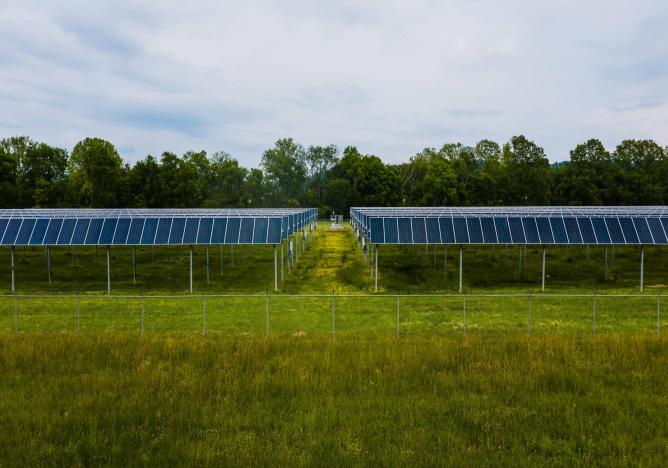
With the increasing challenges of global climate change and energy crises, traditional agricultural models are facing unprecedented difficulties. Issues such as resource shortages, rising energy consumption, and environmental pollution have forced the agricultural industry to seek more eco-friendly and energy-efficient solutions. Against this backdrop, the integration of modern greenhouses and photovoltaic (solar) technology presents a new opportunity for agricultural development. This article explores the advantages, applications, and future prospects of combining modern greenhouses with photovoltaic technology.
1. Advantages of Modern Greenhouses
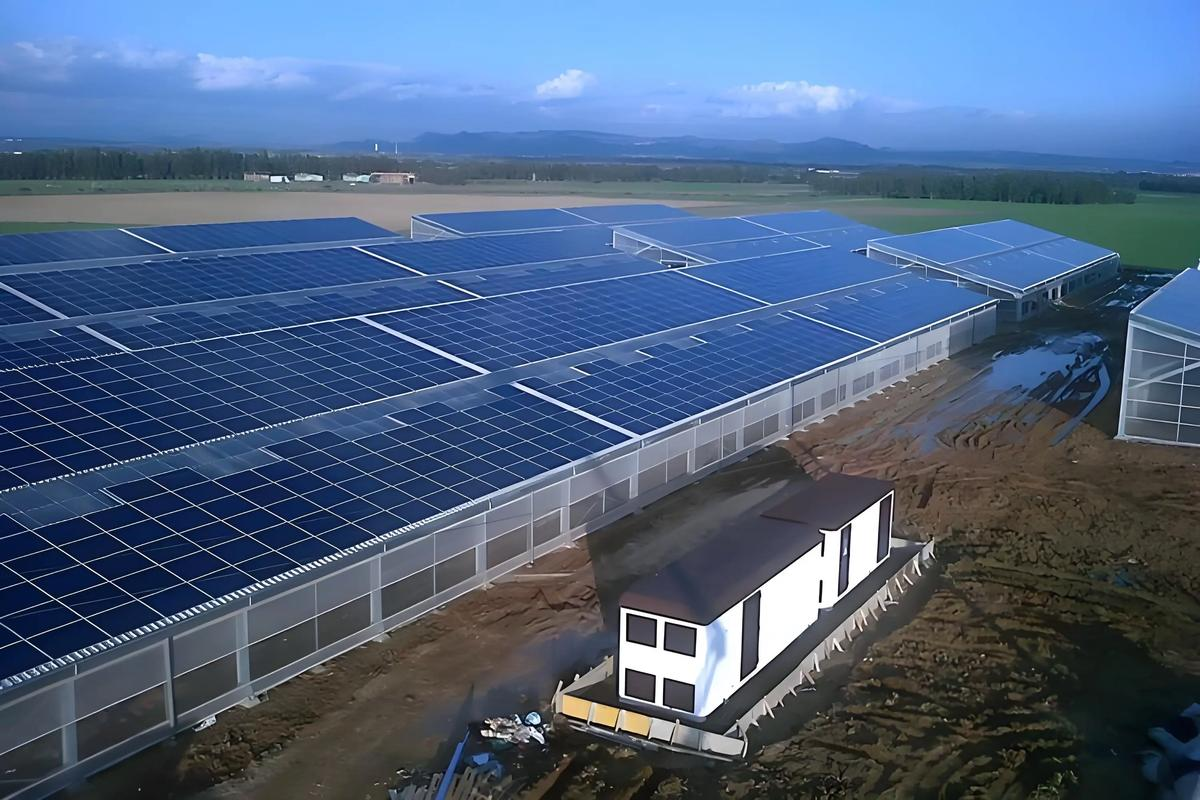
Modern greenhouses are agricultural facilities that create ideal growing environments by controlling temperature, humidity, light, and other environmental factors. These facilities not only increase crop yield but also extend the growing season, especially in harsh climates or non-traditional agricultural regions, offering immense potential for agricultural development.
However, traditional greenhouses face a significant challenge—high energy consumption. The temperature control systems in greenhouses typically require large amounts of electricity and fuel. In colder regions, heating systems can consume substantial amounts of energy, which is detrimental to both the environment and operational costs.
2. The Introduction of Photovoltaic Technology
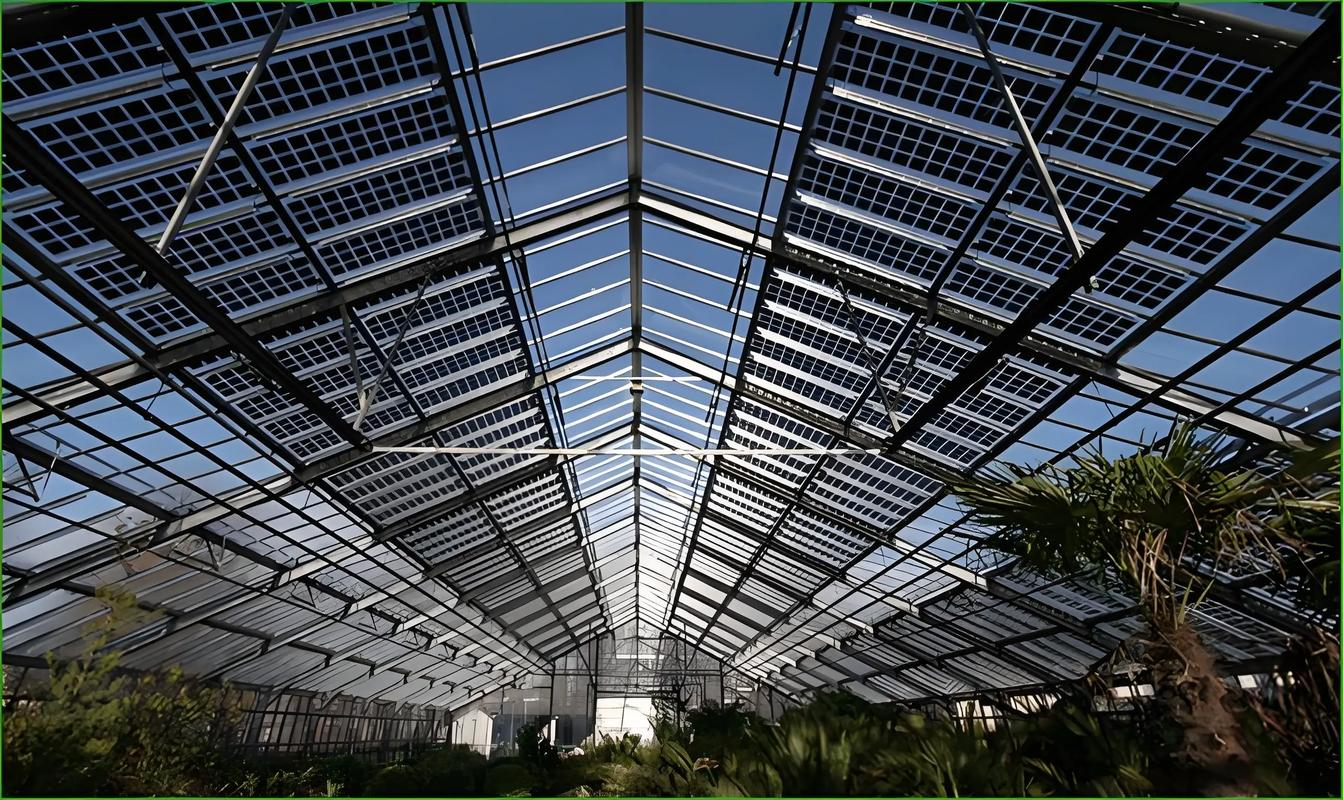
Photovoltaic technology, which converts sunlight into electricity through solar panels, has become a widely adopted green energy solution. Solar energy is an abundant, renewable, and clean energy source. By incorporating photovoltaic technology into greenhouses, energy consumption can be significantly reduced, operational costs lowered, and support for sustainable agricultural practices enhanced.
By installing solar panels on greenhouse roofs, greenhouses can generate electricity from sunlight, fulfilling the power needs of lighting, ventilation, heating, and other essential systems. More advanced photovoltaic systems can also integrate with intelligent greenhouse management systems, automatically adjusting the environment based on real-time data such as light intensity and temperature, thereby improving energy efficiency.
3. Advantages of Combining Modern Greenhouses and Photovoltaics
-
Energy Savings and Cost Reduction
The integration of photovoltaic technology significantly reduces energy costs for greenhouses. The free use of solar energy not only meets the daily electricity needs of the greenhouse but also reduces reliance on traditional power sources and fuel. This is crucial for reducing operational costs and improving economic efficiency.
-
Environmentally Friendly
Photovoltaic power generation is clean energy, producing no greenhouse gas emissions and causing no environmental pollution. In the context of global efforts to promote a low-carbon economy, combining greenhouses with photovoltaic technology not only improves agricultural production efficiency but also supports the green transformation of the agriculture sector and reduces carbon footprints.
-
Improved Control of Growing Conditions
By combining solar energy with intelligent greenhouse technology, the environment inside the greenhouse can be automatically adjusted based on external climate conditions. For example, solar energy can be used for heating the greenhouse, providing lighting, and powering sensors, ensuring optimal conditions for crop growth.
-
Multi-Functional Utilization
Greenhouses equipped with solar panels not only improve agricultural productivity but also allow for the excess electricity to be used for other purposes or even fed back into the grid to generate additional revenue. This “photovoltaic + agriculture” model not only enhances the sustainability of agricultural production but also expands the application of photovoltaic technology.
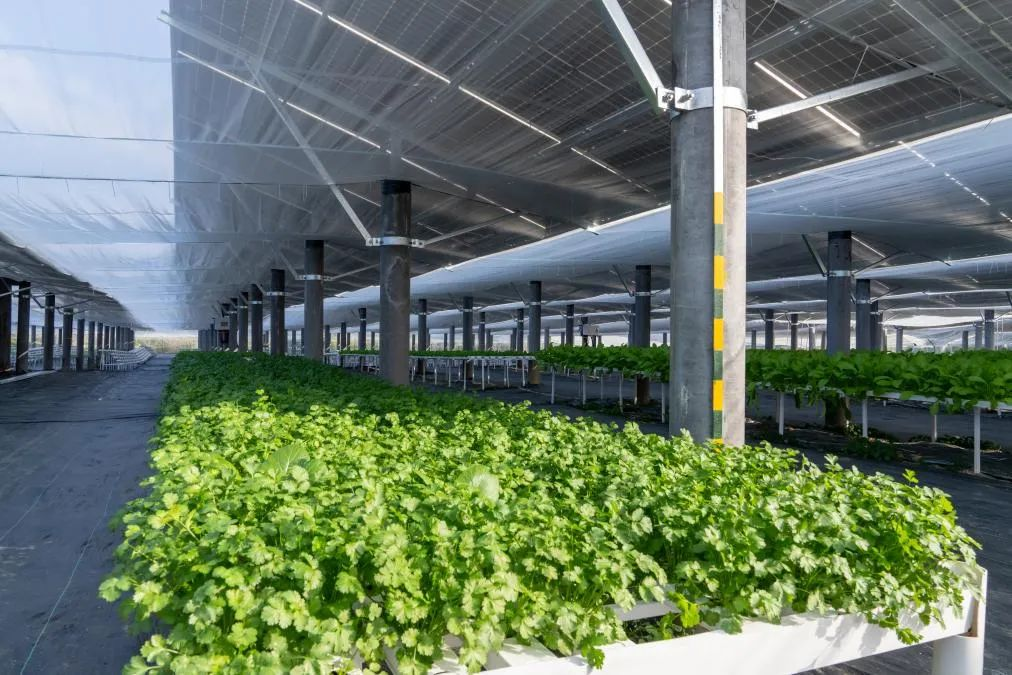
4. Global Applications: Real-World Photovoltaic Greenhouse Projects
-
Netherlands: Smart Photovoltaic Greenhouse Projects
As a leader in greenhouse agriculture, the Netherlands has achieved significant results in combining greenhouses with photovoltaic technology. In some Dutch greenhouse projects, solar panels have been installed on the roofs, successfully achieving dual goals of power generation and agricultural production. These greenhouses not only provide ample sunlight for crops but also utilize intelligent control systems to adjust the greenhouse’s temperature and humidity for optimal growing conditions.
-
China: Photovoltaic Greenhouse Farms
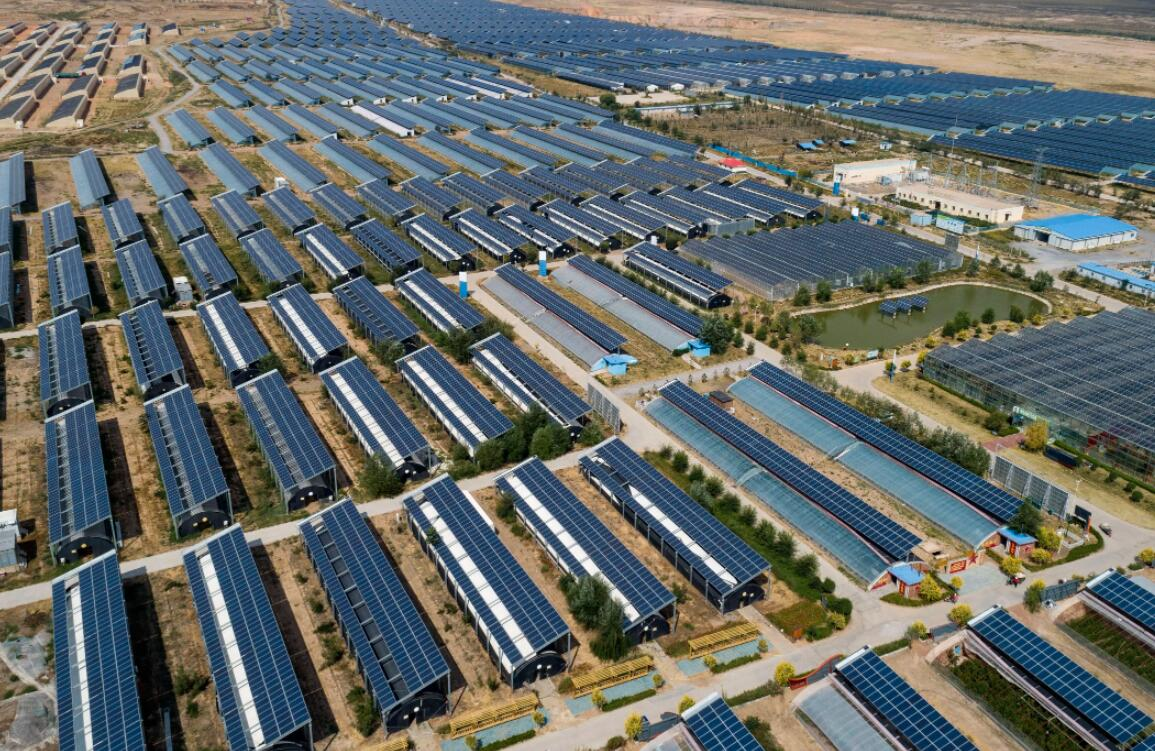
In certain regions of China, particularly in arid areas in the northwest and central regions, photovoltaic and modern greenhouse agriculture are beginning to integrate. Some photovoltaic greenhouse farms utilize solar energy to power the greenhouse, while also conducting agricultural production, successfully achieving high-efficiency use of water, land, and light. This model has not only increased the energy self-sufficiency of farms but also significantly reduced the costs for farmers.
-
United States: Photovoltaic Agricultural Parks
In the United States, certain agricultural parks have started deploying photovoltaic panels on a large scale to provide power for greenhouses and farms. These parks reduce their dependence on traditional electricity through photovoltaic power generation, while also selling excess electricity to utility companies, generating additional income.
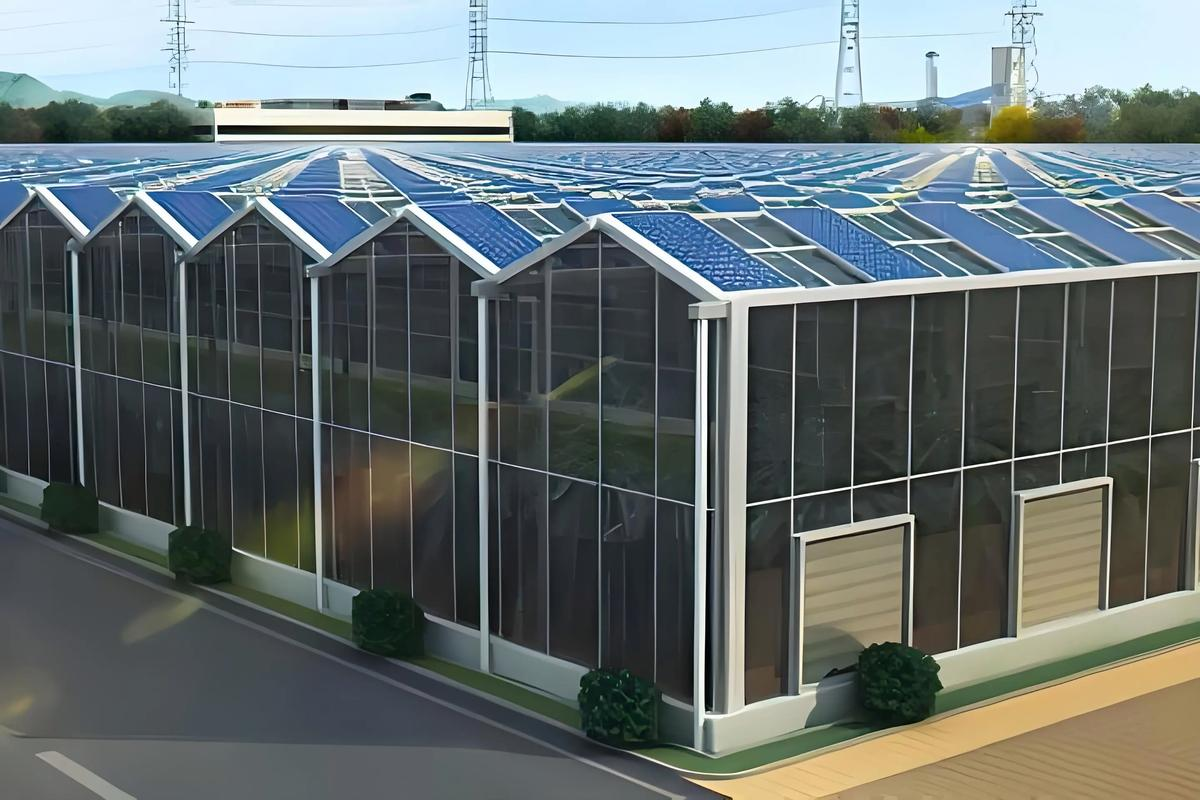
5. Future Prospects
The combination of greenhouses and photovoltaic technology holds great potential for future development. With the continued reduction in the cost of photovoltaic power generation and ongoing advancements in agricultural technology, photovoltaic greenhouses will see broader applications worldwide. In regions lacking energy resources or requiring efficient agricultural production, photovoltaic greenhouses will become a key solution for promoting sustainable agricultural development.
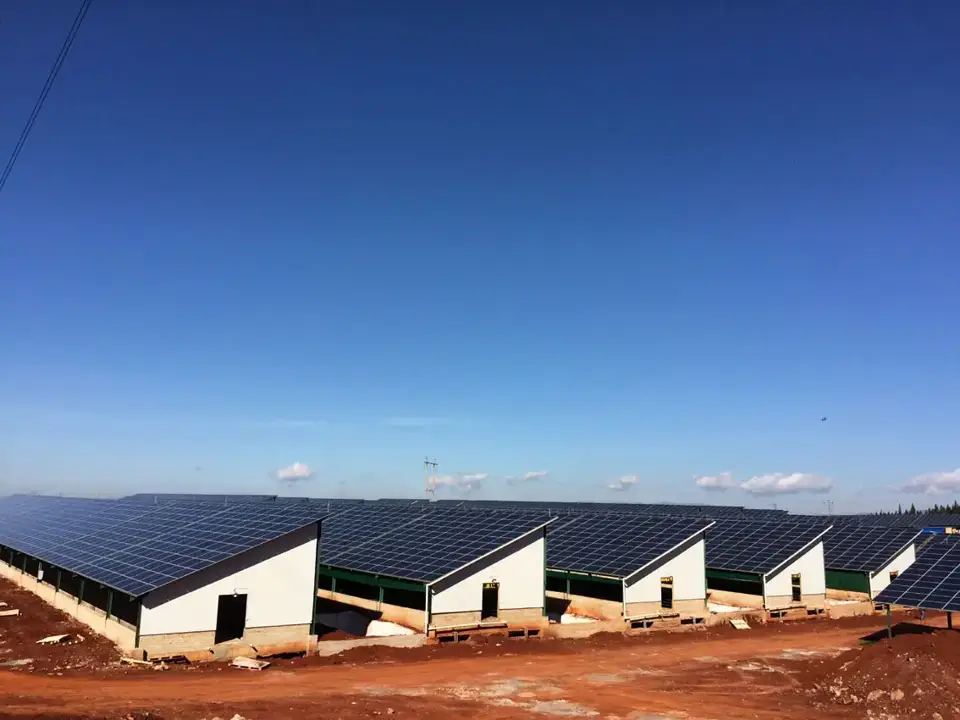
Furthermore, with the rapid development of artificial intelligence (AI), the Internet of Things (IoT), and other intelligent technologies, future photovoltaic greenhouses will be even more automated, enabling features like automatic adjustments, real-time monitoring, and improved efficiency in agricultural production.
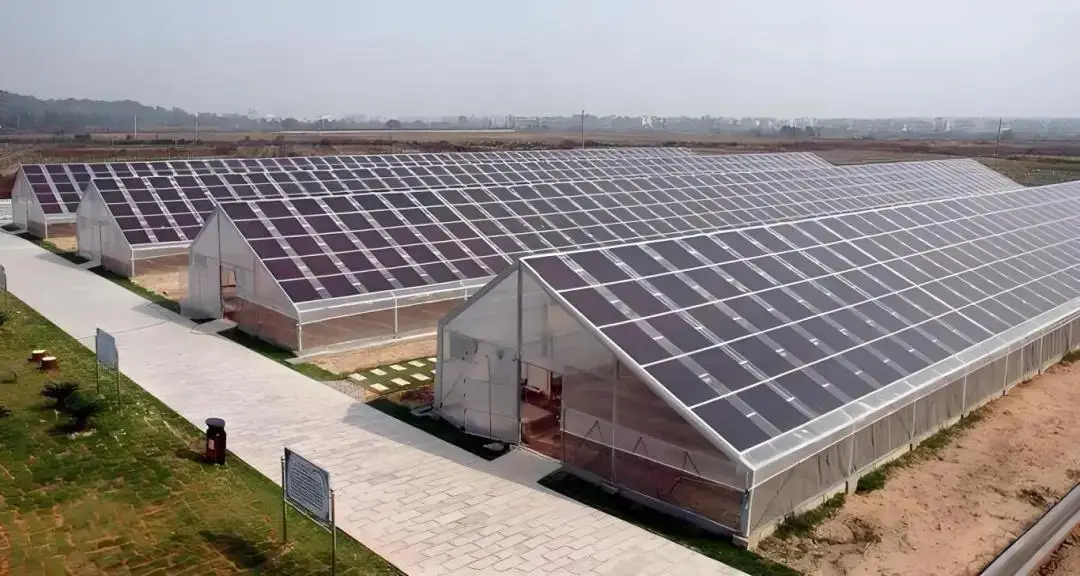
The integration of modern greenhouses and photovoltaic technology provides a green, energy-efficient opportunity for greenhouse agriculture. It offers support for the sustainable development of global agriculture by reducing energy consumption, promoting environmentally friendly practices, and increasing production efficiency. As technology continues to evolve and policies continue to support this direction, photovoltaic greenhouses will become an important development model for agriculture, helping to address climate change, resource shortages, and energy crises while moving toward a more sustainable, intelligent, and green future.