

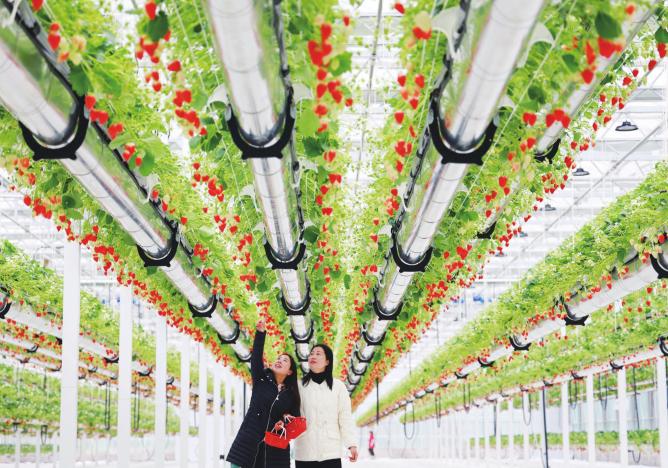
As global demand for sustainable agriculture and efficient production continues to rise, greenhouse technology is advancing rapidly, especially in the field of vertical farming. Vertical strawberry growing racks, as one of the innovations, are becoming an essential technology in greenhouses. Not only do they enhance space utilization, but they also address some challenges in traditional farming methods. This article explores the future of vertical strawberry growing racks and their technological innovations within greenhouse farming.
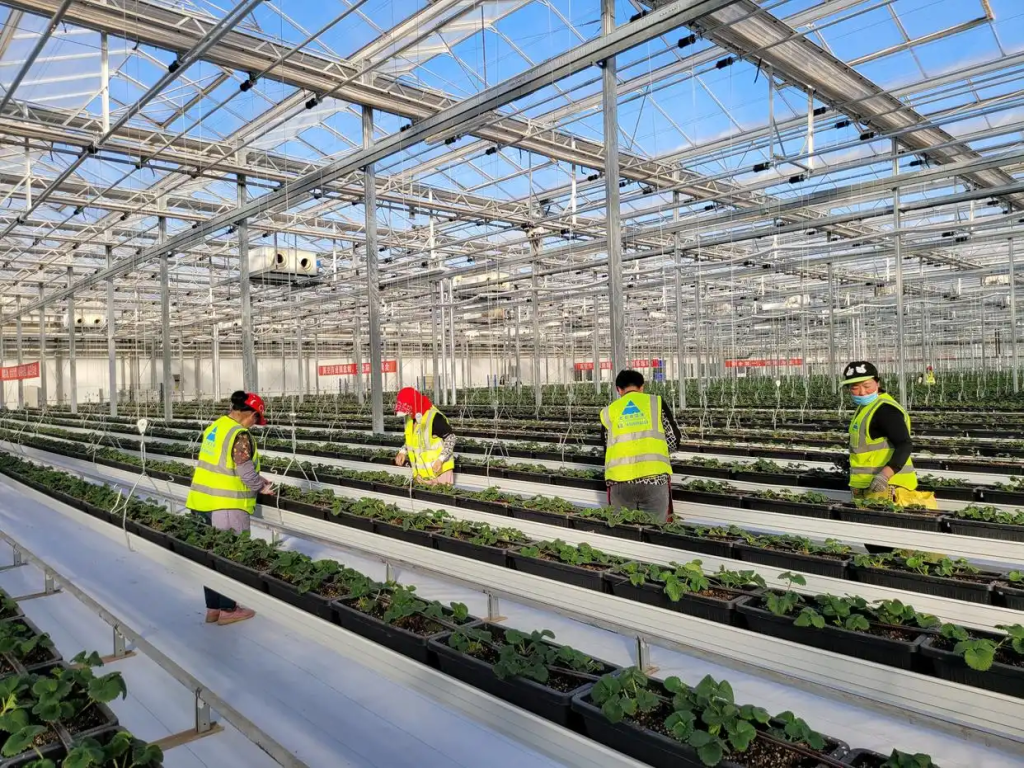
1. Vertical Strawberry Growing Racks: A Breakthrough in Vertical Farming
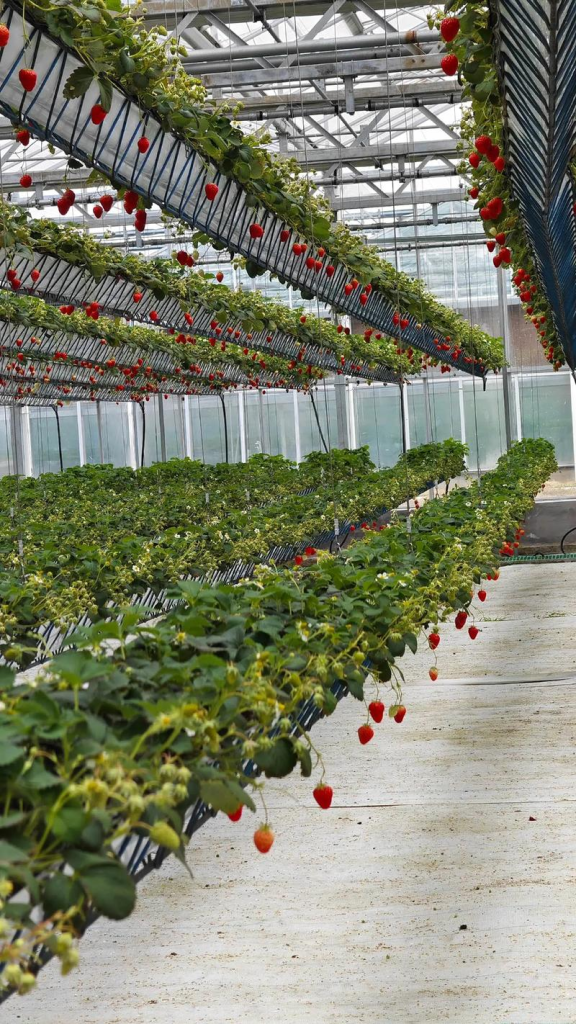
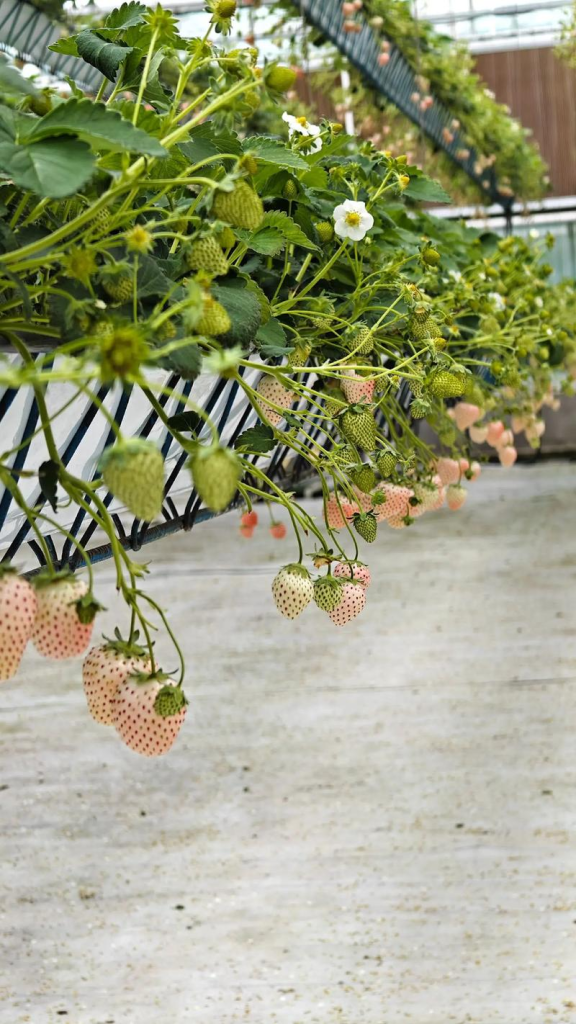
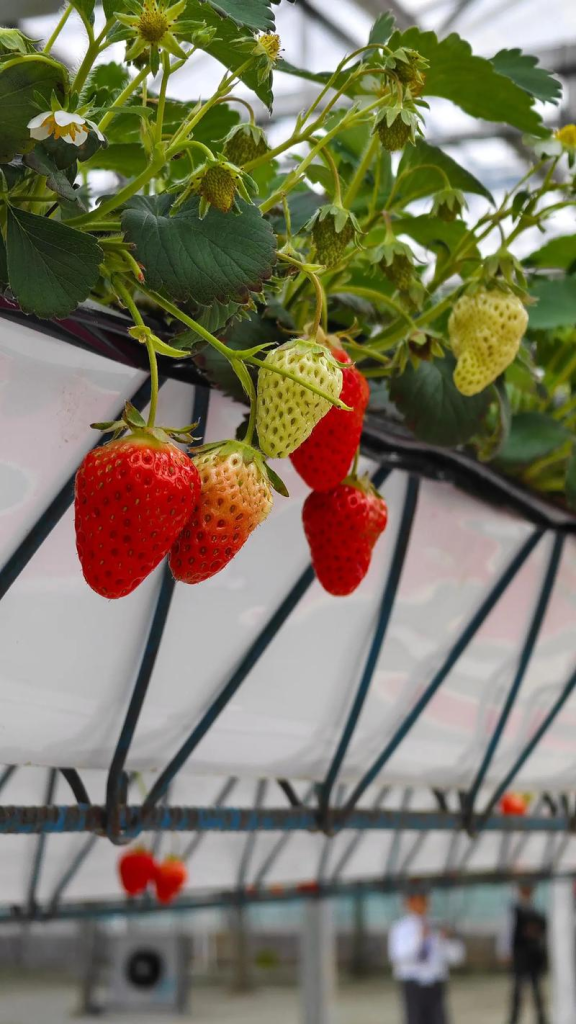
Vertical strawberry growing racks are a type of vertical farming system where strawberries are cultivated on suspended or elevated multi-layered racks. Compared to traditional ground-based planting, this method fully utilizes available space and increases yield per unit area. Greenhouses provide a stable environmental condition, and vertical strawberry racks help solve problems related to soil utilization and space waste, making it possible to grow strawberries efficiently even in urban areas and regions with limited land.
2. Integration of Smart Greenhouse Technology
The advantages of vertical strawberry growing racks are not just limited to space utilization but also in their integration with smart greenhouse technologies. The temperature, humidity, light, and carbon dioxide levels inside the greenhouse directly impact the growth of strawberries. Modern greenhouses now employ smart control systems to precisely regulate these environmental variables.
With the application of technologies such as the Internet of Things (IoT), big data, and artificial intelligence (AI), vertical strawberry growing racks are becoming part of an intelligent growing system. Through sensors that monitor the growth state of strawberries, automated irrigation, fertilization, and pest control systems, each strawberry in the greenhouse can be managed with precision, thus improving yield, reducing costs, and optimizing quality.
3. Resource Efficiency and Sustainability
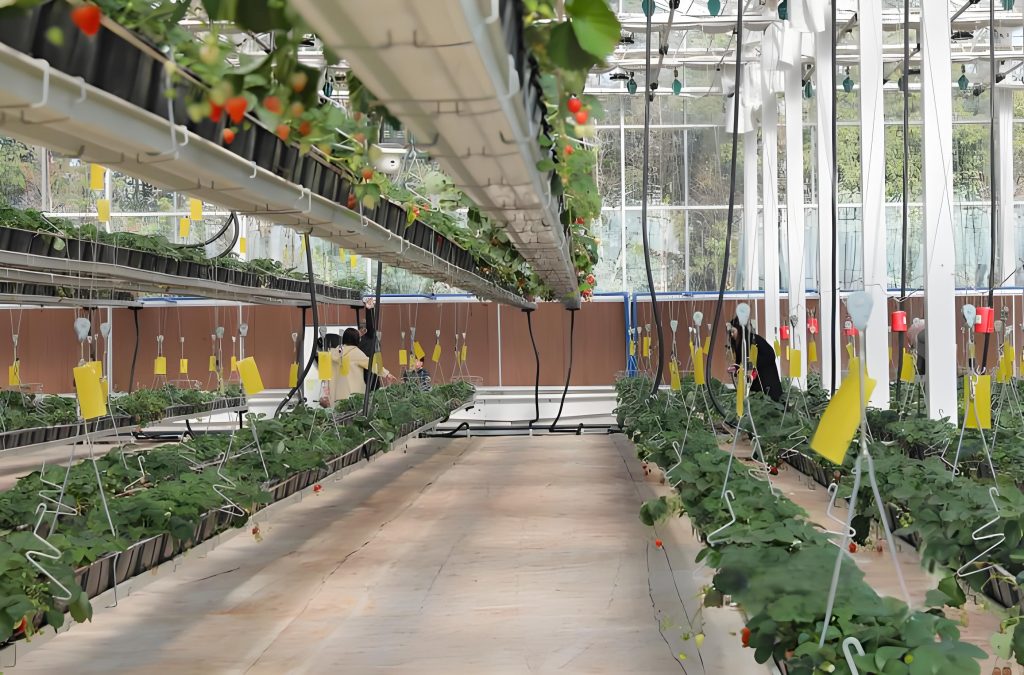
Vertical strawberry growing racks in greenhouses not only save land resources but also optimize water usage. Through centralized irrigation systems, such as drip or spray irrigation, strawberries can grow healthily with adequate moisture, while significantly improving water use efficiency. Moreover, energy-saving technologies in modern greenhouses, such as photovoltaic power generation and solar heating, can also be integrated with vertical strawberry racks to create a low-carbon, environmentally friendly agricultural production system.
These systems also reduce the need for pesticides and fertilizers. Through intelligent monitoring and precision fertilization techniques, more environmentally friendly farming practices can be implemented. The combination of vertical strawberry racks and greenhouse technology makes agricultural production more sustainable, reducing the strain on the environment.
4. Commercial Potential of Vertical Strawberry Growing Racks
As the technology for vertical strawberry growing racks matures, their commercial potential is enormous. Particularly in urban agriculture and vertical farming, these racks can provide city dwellers with fresh, traceable strawberries, meeting the market’s demand for high-quality fruits. By integrating with greenhouses, strawberry production can occur year-round, unaffected by seasonal and climatic changes.
Furthermore, the high-efficiency production model of vertical strawberry racks offers a high return on investment. Businesses and farm owners can reduce planting costs through technological innovations while enhancing the market competitiveness of their products, thereby generating greater economic returns.
5. Future Outlook: Full Automation and Intelligence
In the future, vertical strawberry growing racks will develop toward greater automation and intelligence. Through AI technology and machine learning, the system will automatically recognize the growth needs of strawberries and make adjustments. For instance, the greenhouse irrigation system could adjust water levels automatically based on the growth stage of the strawberries and changing weather conditions; and through the use of drones or robots for harvesting and monitoring, work efficiency can be greatly improved, reducing labor costs.
In addition, future vertical strawberry growing racks will become more modular, allowing for flexible configuration and expansion based on needs. This not only helps reduce initial investment but also makes it easier for farms of various scales to adopt, promoting broader participation from agricultural producers.
The combination of vertical strawberry growing racks and greenhouse technology will undoubtedly transform traditional agriculture. By efficiently utilizing space and resources, and integrating smart and automated technologies, vertical strawberry growing racks not only improve production efficiency but also drive agriculture toward sustainability, environmental friendliness, and intelligence. As technology continues to progress, the future of vertical strawberry growing racks is full of endless possibilities, becoming an important part of modern agricultural development.