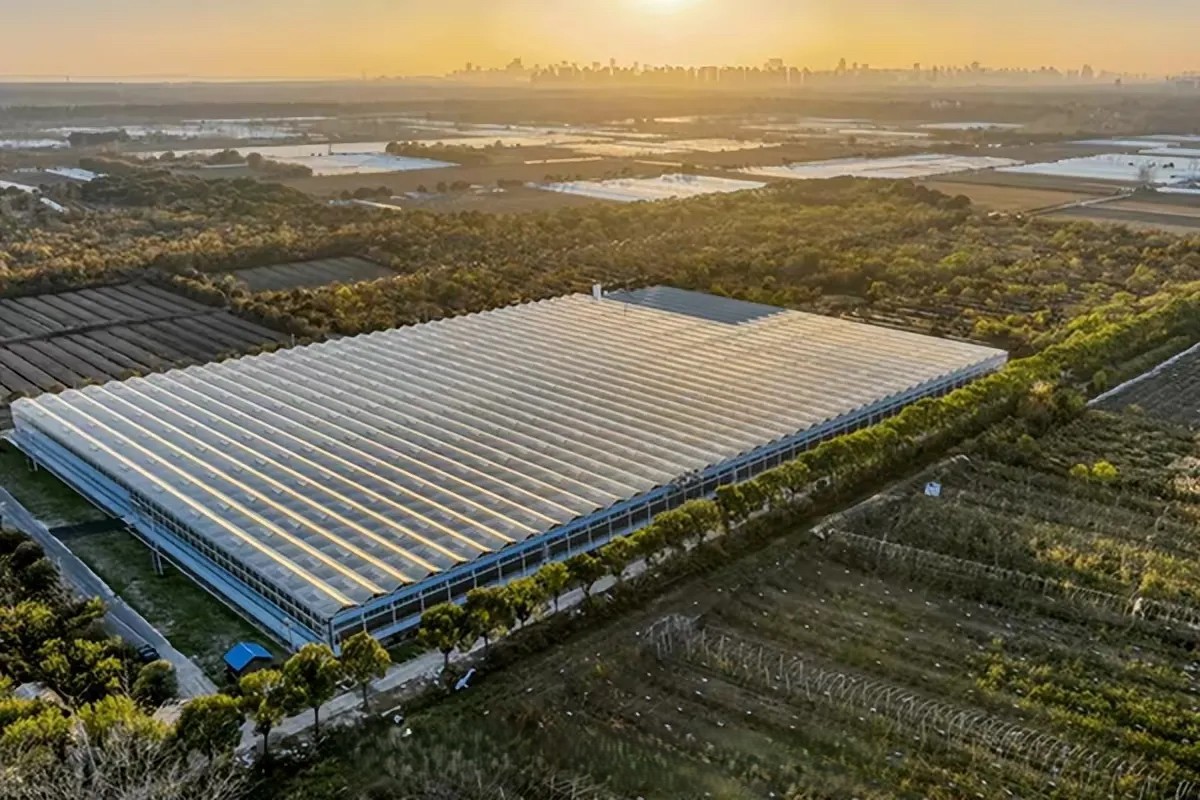
Farewell to Weather Dependence: Smart Greenhouses, the Ultimate Answer for Modern Agriculture
05/27/2026
Hongqiangsheng
Traditional agriculture relies on weather and experience, constrained by climate, geography, resources and labor. Smart greenhouses, powered by the Internet of Things (IoT), big data and artificial intelligence (AI), reshape agricultural production logic, bid farewell to “farming at the mercy of the weather”, and become the core solution for high-quality development of modern agriculture.
I. What Is a Smart Greenhouse ?
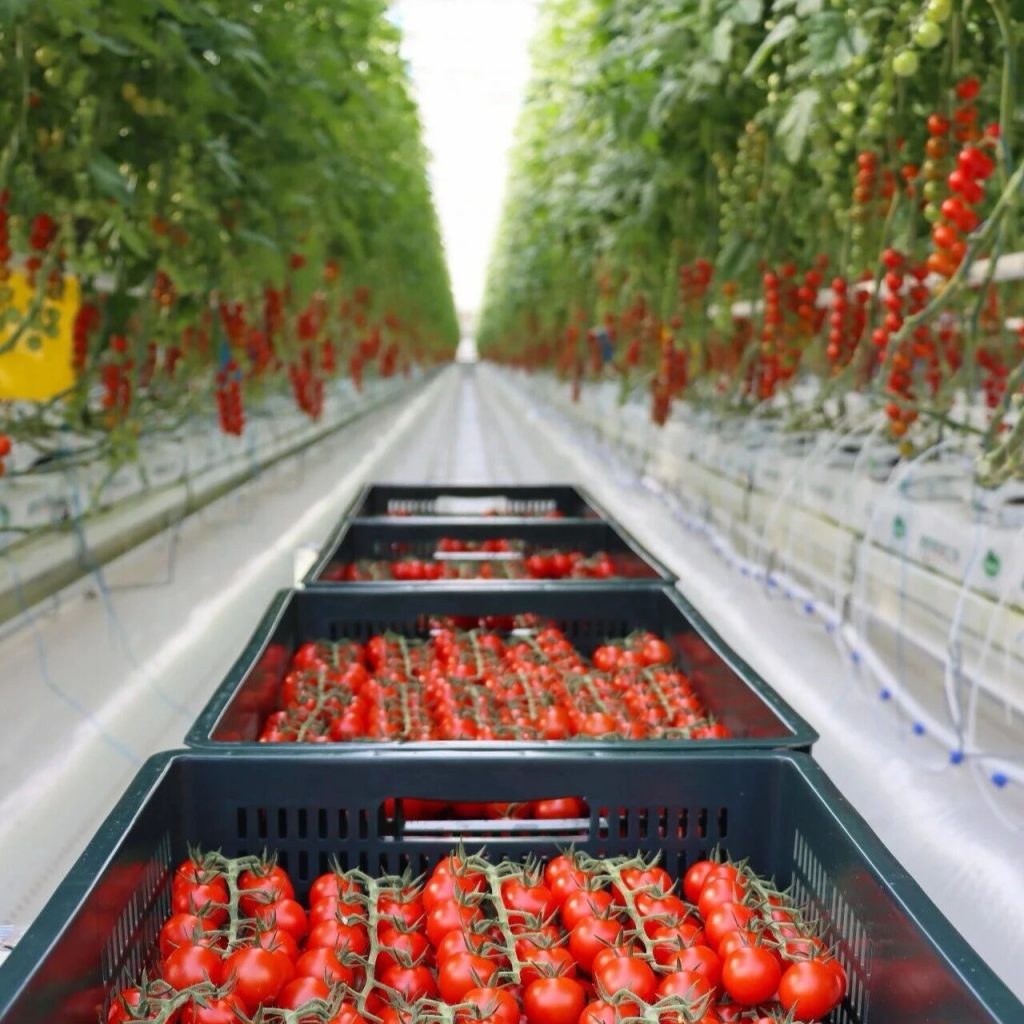
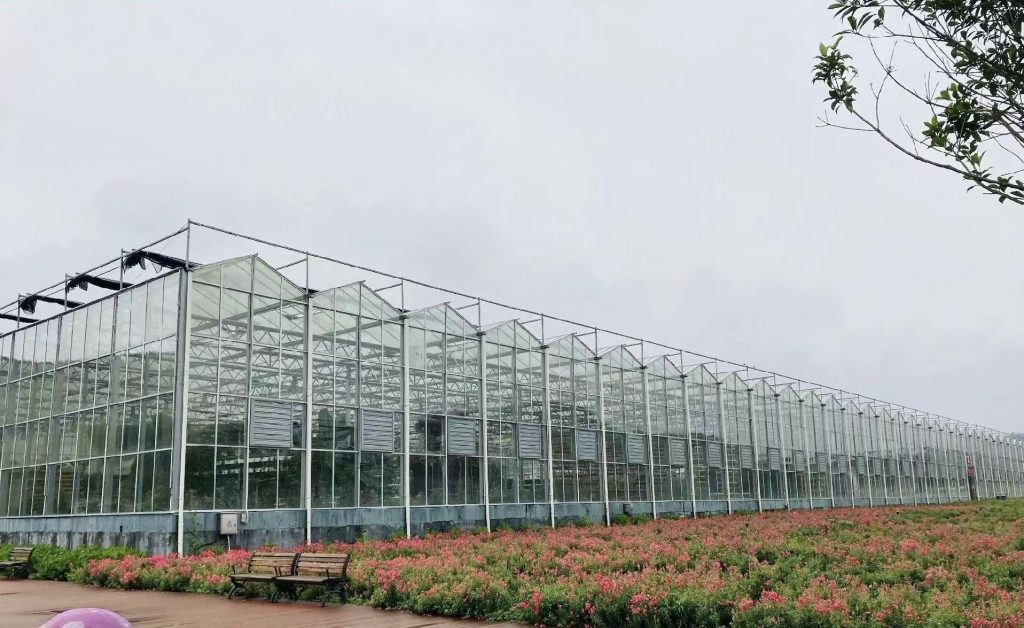
A smart greenhouse is an advanced form of facility agriculture, a modern agricultural production facility integrating greenhouse construction, environmental sensing, intelligent control, data analysis and remote management.
Leveraging cutting-edge technologies such as IoT, big data and AI, it monitors in real time core parameters including temperature, humidity, light intensity and CO₂ concentration inside the greenhouse, as well as soil and crop physiological indicators. It automatically regulates ventilation, irrigation, fertilization, supplementary lighting and other equipment to simulate and maintain the optimal growing environment for crops. It not only breaks geographical and climatic limitations to achieve stable and high yields year-round, but also precisely conserves resources and improves crop quality, serving as a key carrier for refined, efficient and sustainable agriculture.
II. Core Technological Advantages of Smart Greenhouses
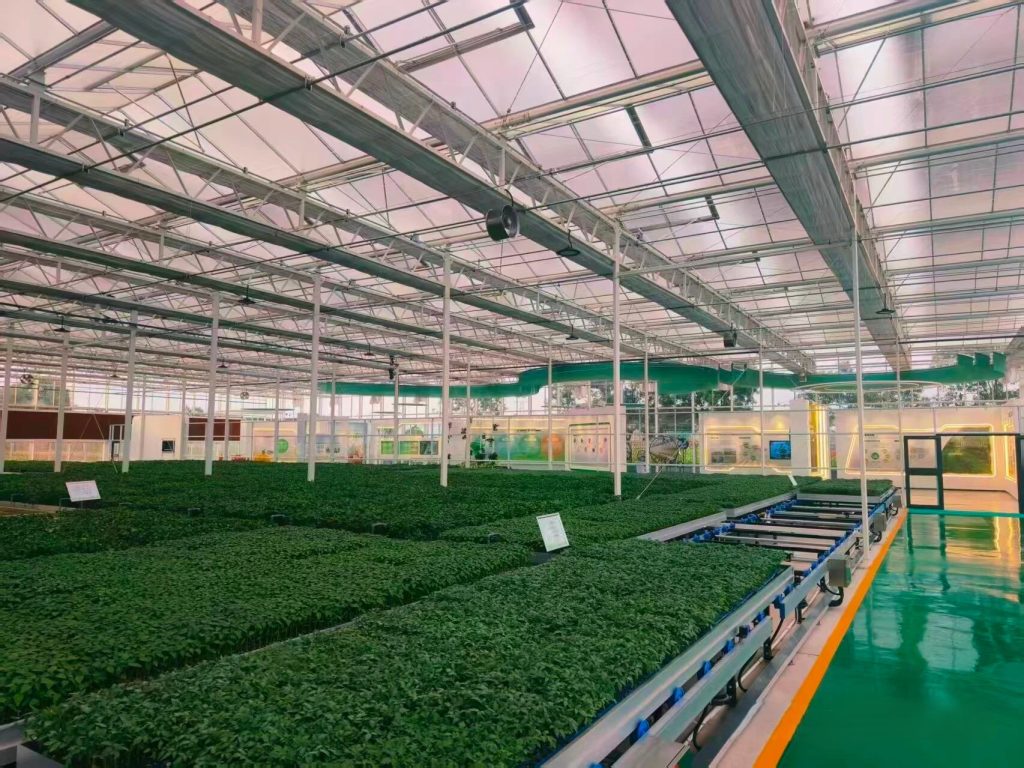
1. Precise Environmental Control: Creating a “Customized Growth Chamber” for Crops
A high-density sensor network enables real-time perception of three dimensions: air, soil and crop physiology. Linked with an intelligent control system, it minimizes environmental errors to safeguard crop growth.
- Temperature: Temperature and humidity sensors + PLC controllers coordinate fans, wet curtains and heaters for precise temperature control within ±0.5°C.
- Humidity: Humidity sensors + solenoid valves connect with spraying/dehumidification equipment for humidity accuracy of ±3%RH.
- Light: Photosensitive sensors automatically control rolling shutters and LED grow lights for stepless dimming from 0 to 100%.
- CO₂ Concentration: Sensors link with ventilation systems or CO₂ generators to stably maintain the optimal range of 800–1200ppm.
2. Automated Water and Fertilizer Management: Precise Supply for Cost Reduction and Efficiency Gains
Equipped with an integrated water and fertilizer intelligent system, it replaces traditional flood irrigation and extensive fertilization with “on-demand supply and precise drip irrigation”.
- Based on data from soil moisture, EC and pH sensors, combined with crop growth stages, it intelligently calculates water and fertilizer requirements.
- Automatically controls drip irrigation solenoid valves and fertilizer injectors for accurate water and fertilizer delivery.
- Significant results: 30% water savings and 25% fertilizer savings, eliminating resource waste and reducing production costs.
3. Data-Driven Decision-Making: Replacing Experience with Data for Scientific Farming
Supported by big data and AI algorithms, it builds a full-process data management system to make planting decisions traceable and evidence-based.
- Built-in crop growth model libraries for tomatoes, strawberries, Chinese medicinal herbs and more, matching the growth needs of different crops.
- Establishes a digital twin system to visualize greenhouse conditions and simulate regulatory effects in advance.
- Accurately predicts yield and harvest time based on accumulated temperature and light exposure, supporting rational production planning.
4. Remote Intelligent Management: One-Click Control Anytime, Anywhere
With IoT technology, it breaks time and space barriers for “palm-based management” of greenhouses.
- Real-time monitoring of temperature, humidity, light, water and fertilizer data via mobile phones or computers.
- Remote control of ventilation, irrigation, supplementary lighting and other equipment without on-site duty.
- One person can manage 10 mu of greenhouses simultaneously, reducing labor costs by 60%–80% and completely solving labor shortages.
III. Multiple Values: Triple Gains in Economy, Society and Ecology
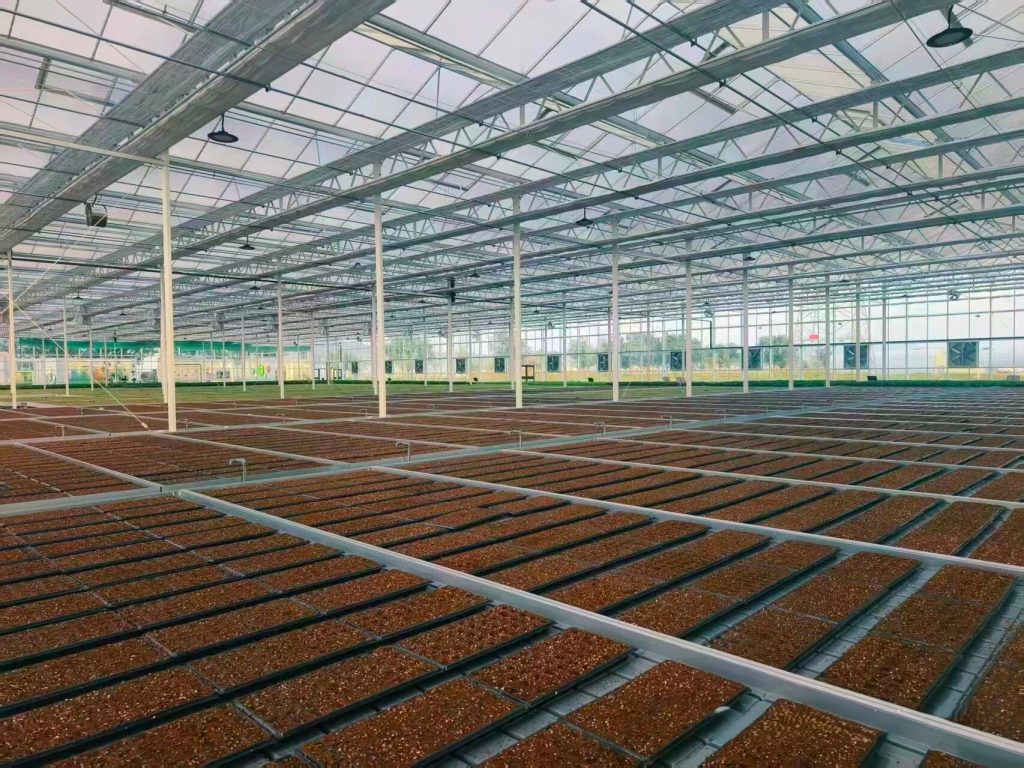
1. Economic Benefits: Cost Reduction, Income Increase and Higher Returns
- Labor Savings: Automation replaces repetitive tasks such as inspections, rolling shutters and irrigation, drastically cutting labor costs.
- Higher Yield: The optimal growing environment shortens growth cycles, increases yields and improves quality.
- Resource Savings: Precise control of water, fertilizer and energy reduces overall operating costs and significantly improves return on investment.
2. Social Benefits: Empowering Rural Areas and Revitalizing the Countryside
- Food Safety Assurance: Blockchain storage of full-process agricultural operations enables traceability “from greenhouse to table”.
- Talent Transformation: Traditional farmers become “greenhouse engineers” with salaries increased by 2–3 times, attracting young people to return home and start businesses.
- Industrial Development: The promotion of the “5G + Smart Greenhouse” model at the county level drives coordinated development of upstream and downstream industrial chains such as sensor manufacturing, logistics, packaging and e-commerce sales, supporting rural revitalization.
3. Ecological Benefits: Green and Low-Carbon, Sustainable Development
- Low-Carbon Emission Reduction: Precise regulation reduces energy waste, achieving an annual carbon emission reduction of 4.2 tons per mu.
- Pollution Reduction: Precise water and fertilizer supply prevents fertilizer runoff from polluting soil and water sources.
- Resource Conservation: Efficient use of water, fertilizer, light and heat addresses resource constraints and upholds the concept of green agriculture.
IV. Wide Applications: Breaking Limitations for Diverse Scenarios
Smart greenhouses are highly adaptable, unrestricted by geography, climate or crop type, with extensive applications:
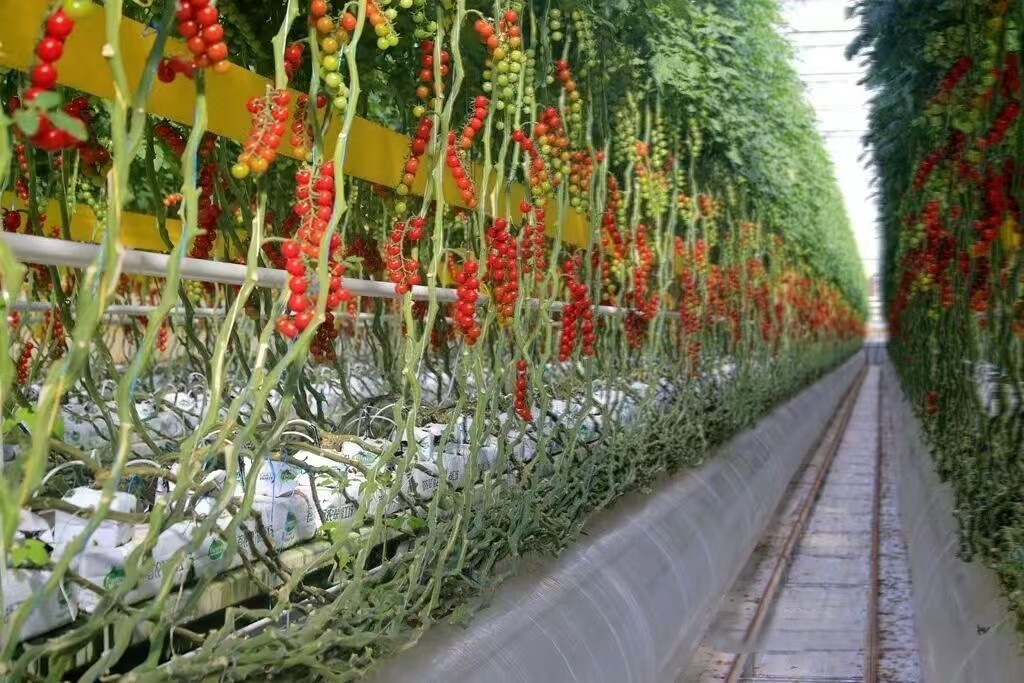
- Crop Types: Suitable for high-value crops such as vegetables, fruits, flowers and Chinese medicinal herbs.
- Geographic Adaptability: Adaptable to extreme environments including high temperature and humidity in the south, severe cold and dryness in the north, and large temperature differences between day and night (-5°C to 25°C) in plateaus.
- Specialized Solutions: For high-altitude areas, adopt multi-layer insulation + intelligent supplementary lighting strategy (blue light: red light = 1:2, 4 hours of daily supplementary lighting) to shorten growth cycles and increase annual yields.
V. Future Prospects: Technological Integration Leading a New Agricultural Revolution
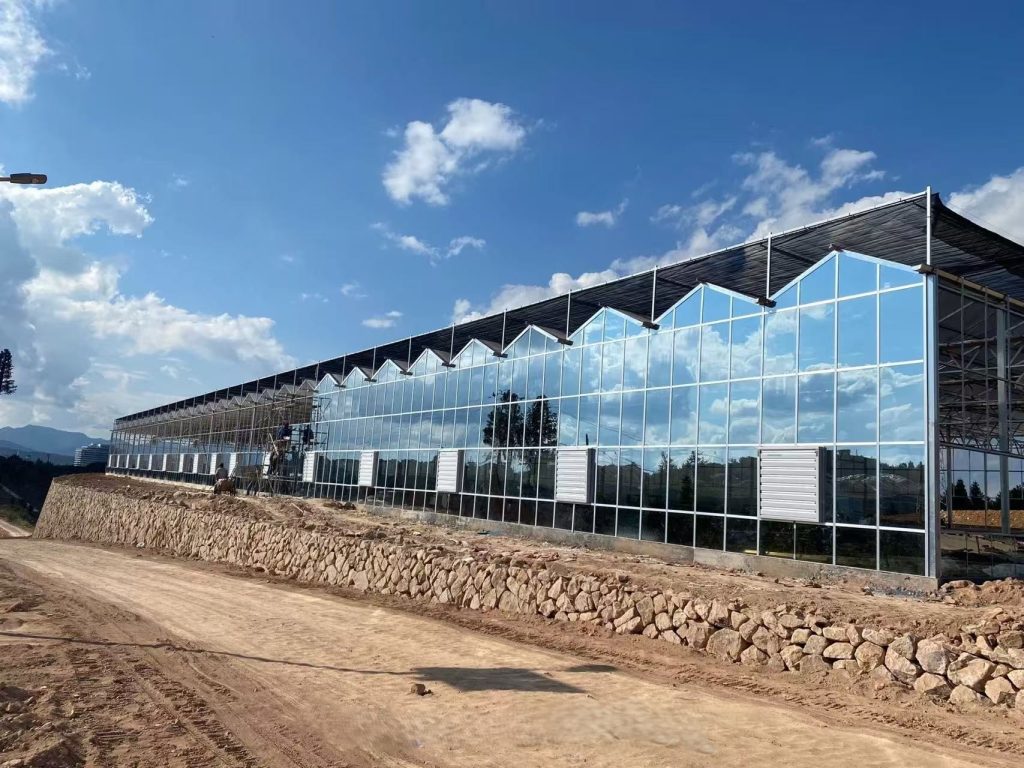
With continuous technological advancements, smart greenhouses will develop in depth toward full automation, low carbon and high added value:
- In-Depth Technological Integration: AI, blockchain and digital twin technologies will be fully upgraded to realize unmanned and intelligent operations from planting to harvesting.
- Green Energy Transition: Combine solar, wind and other renewable energy sources to further reduce energy consumption and carbon emissions, achieving zero-carbon agriculture.
- Upgraded Crop Types: Focus on high-value crops such as medicinal plants and premium fruits and vegetables to enhance agricultural economic benefits.
- Intensive Industrial Development: Large-scale promotion in modern agricultural parks will lower unit production costs and drive agricultural intensification and modernization.
Conclusion
From “farming at the mercy of the weather” to “data-driven farming”, from “vague experience” to “precise control”, smart greenhouses rewrite the logic of traditional agriculture with technology. They not only address the triple dilemmas of resource shortages, labor shortages and climate constraints, but also guide agriculture toward an efficient, green and sustainable new track.
In the future, smart greenhouses will surely become the core carrier of modern agriculture, providing strong support for ensuring food security, advancing rural revitalization and building an agricultural powerhouse, leading agriculture into a new era.