Profitability and Feasibility Analysis of Greenhouse Crop Production in Global Markets
01/23/2026
Hongqiangsheng
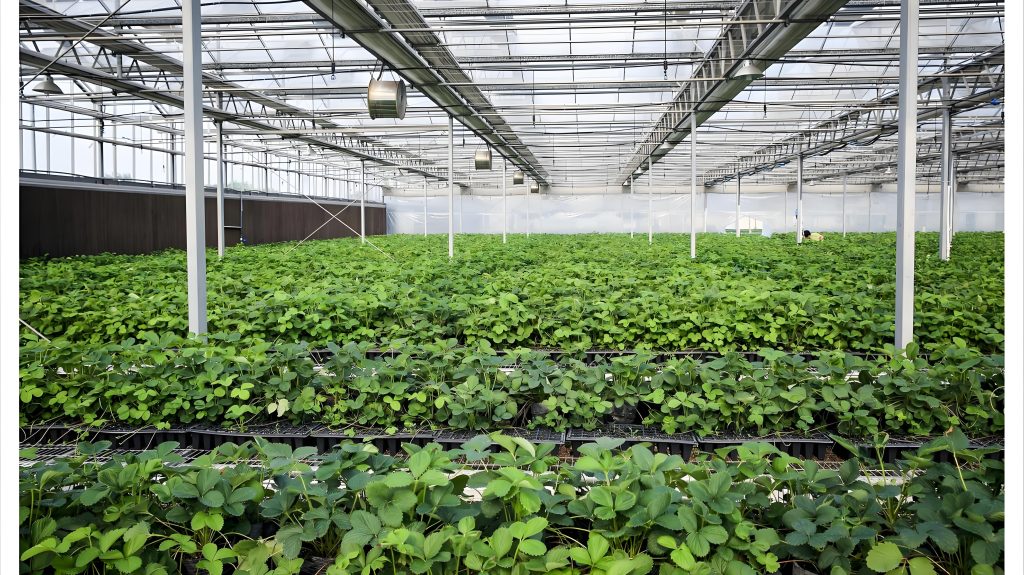
Greenhouse crop production represents a transformative approach in modern agriculture by enabling year-round cultivation of a wide range of crops under controlled environmental conditions. By optimizing growing factors such as temperature, humidity, and light, greenhouse systems effectively address the seasonal limitations and climate variability faced by traditional open-field agriculture. Beyond meeting the growing global demand for food, greenhouse production also aligns with sustainable agriculture principles by emphasizing efficient resource management and reduced reliance on chemical inputs.
The economic feasibility of greenhouse farming largely depends on the selection of high-value crops, such as tomatoes and specialty flowers, which often generate attractive financial returns. Reports indicate that certain greenhouse projects can achieve annual net cash flows of approximately EUR 30,500. Despite challenges including high initial capital investment and market volatility, greenhouse agriculture continues to attract strong interest from investors.
Profitability analyses reveal that labor and management costs are among the most critical factors influencing financial performance. Labor expenses alone may account for around 40% of total variable costs in greenhouse operations.
Feasibility studies play a vital role in greenhouse project evaluation, typically covering market analysis, technical feasibility, economic viability, and legal compliance. Such systematic assessments are essential for investors and operators to determine the long-term sustainability and profitability of greenhouse projects. As the global greenhouse horticulture market continues to expand, it is projected to reach USD 29.089 billion by 2033, with the Asia-Pacific region emerging as the fastest-growing market. In an increasingly competitive environment, the adoption of advanced technologies and innovative practices is crucial for improving productivity and maintaining competitiveness.
Nevertheless, the greenhouse industry faces multiple challenges, including rising energy costs, labor shortages, and increasingly stringent sustainability compliance requirements. Climate change also poses significant risks to greenhouse operations, requiring additional investment in infrastructure resilience and adaptive strategies. As industry participants respond to these challenges, the future of greenhouse crop production will be shaped by continuous technological advancement and strategic exploration of niche markets to ensure economic sustainability and growth in a changing agricultural landscape.
Greenhouse Crop Production
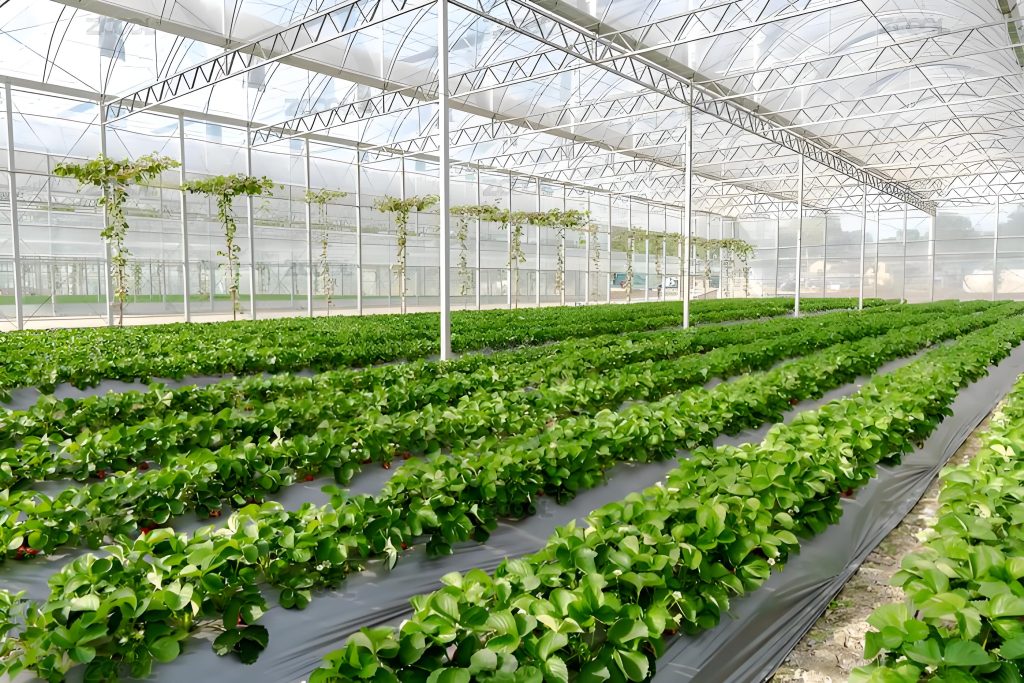
Greenhouse crop production has become a revolutionary development in agriculture, enabling continuous year-round production while mitigating many of the constraints associated with conventional farming systems. The controlled environment within greenhouses allows growers to manage temperature, humidity, and light more precisely, significantly enhancing crop yield and quality.
Year-Round Production and Sustainability
One of the key advantages of greenhouse agriculture is its ability to operate independently of seasonal changes, ensuring a stable supply of fresh produce throughout the year. This capability not only supports consistent market availability but also meets the growing demand in urban markets for high-quality fresh food. Greenhouses effectively protect crops from extreme weather events, improving yield stability.
In addition, greenhouse production promotes sustainable agricultural practices. Through advanced irrigation systems and integrated pest management, growers can optimize resource use, reduce water consumption, and minimize dependence on chemical pesticides. These practices align with increasing consumer preference for sustainably sourced food and support market growth in regions facing land constraints, urbanization, and climate change pressures.
Economic Feasibility of High-Value Crops
Profitability in greenhouse agriculture is highly dependent on crop selection. Tomatoes and cucumbers are among the most commonly grown greenhouse crops due to stable demand and higher off-season prices. Studies indicate that greenhouse tomato projects in certain regions can generate annual net cash flows of approximately EUR 30,500.
Floriculture, particularly high-end varieties such as orchids and lilies, also offers attractive profit opportunities. Demand for these flowers peaks during weddings and holiday seasons, allowing producers to capture premium market prices.
Technological Advancements
The application of advanced technologies in greenhouse management has further improved operational efficiency and profitability. Automated irrigation and environmental control systems enable precise resource allocation tailored to specific crop requirements, improving plant health and maximizing yields.
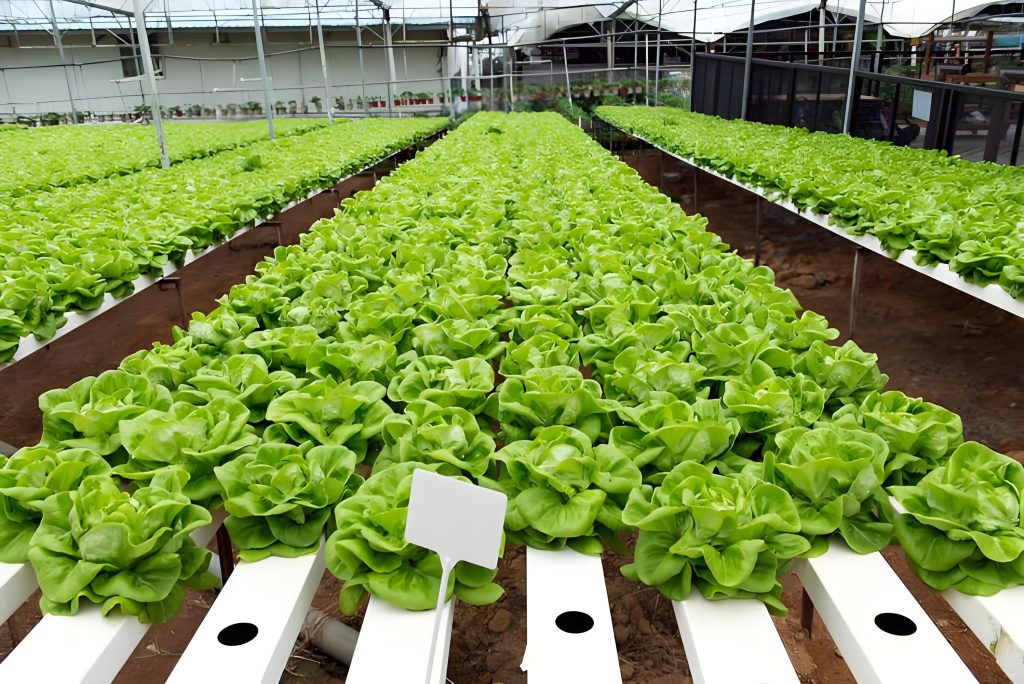
Innovative cultivation methods such as hydroponics and vertical farming have expanded production possibilities, allowing growers to produce high-value vegetables and fruits while reducing water and nutrient inputs.
Profitability Analysis
Greenhouse profitability is influenced by multiple factors, including production costs, crop choice, and market access. Common evaluation indicators include net profit margins and cash flow performance, which are essential for assessing the overall financial health of greenhouse projects.
Profitability Indicators
Traditional profitability calculations typically begin with market selling prices and deduct direct costs and management expenses. For example, in a hypothetical scenario where greenhouse produce is sold at USD 5.00, direct costs amount to USD 1.40, and management expenses reach USD 10.80, the resulting net loss is USD –7.20. This example reflects the financial challenges many growers face in practice.
Overall, net profit margins in greenhouse farming tend to be relatively low, with median five-year net margins commonly ranging between 1.06% and 3.50%.
Labor and Management Costs
Labor costs play a dominant role in greenhouse cost structures, accounting for approximately 40% of total variable costs in specialty crop production. Further analysis shows that non-technical labor activities such as harvesting and pruning represent over 70% of total labor expenses.
Management costs, primarily related to heating and energy consumption, account for roughly 30% of total costs, while depreciation, maintenance, and other expenses make up the remainder.
Factors Affecting Profitability
Key factors influencing greenhouse profitability include operating costs, crop selection, and market conditions. Different crops exhibit significant variation in labor requirements and market accessibility, which directly impacts financial outcomes.
Sensitivity analyses indicate that price fluctuations and labor costs are the most critical variables affecting profit margins, highlighting their strong correlation with financial performance.
Feasibility Analysis
Feasibility analysis is central to evaluating greenhouse crop production projects, as it systematically examines multiple critical factors to support rational decision-making before capital investment.
Market Analysis
Market analysis focuses on evaluating the sales potential of specific crops, including identifying oversupplied products and crops with unmet demand. For example, local food service businesses may require stable daily supplies of certain vegetables, creating entry opportunities for greenhouse producers.
Technical Feasibility
Technical feasibility addresses the infrastructure and technologies required for greenhouse operations. The integration of drip irrigation systems, hydroponic technologies, and automated climate control systems forms the foundation for efficient resource utilization and operational stability.
Sensitivity analysis is also commonly used to assess how variations in key parameters affect overall project feasibility.
Economic Feasibility
Economic analysis evaluates potential profitability, with pricing strategy playing a critical role. Wholesale distribution can expand market reach but typically reduces margins, while direct-to-consumer sales offer higher prices but increase operational complexity and costs.
Price inelasticity is particularly important, as consumer behavior may not change significantly in response to price fluctuations, requiring careful pricing strategies to maintain profitability.
Market size and consumer demand are also key considerations, especially when aligning production plans with procurement requirements of large retail chains.
Legal and Regulatory Requirements
Compliance with legal and regulatory frameworks is essential for successful greenhouse operations. This includes obtaining necessary business licenses and meeting environmental and food safety standards. Establishing recognized certification systems further enhances product credibility in the market.
Global Market Overview
The global greenhouse horticulture market is a rapidly growing segment within agriculture, characterized by plant production in controlled environments. Compared with traditional farming, greenhouse systems offer higher yields, greater resilience to environmental risks, and more efficient water and nutrient management.
Market Size and Growth Forecast
The global greenhouse horticulture market is projected to grow from USD 11.008 billion in 2021 to USD 29.089 billion by 2033, with a compound annual growth rate of approximately 8.435%.
Regional analysis indicates that the Asia-Pacific region will be the fastest-growing market, with an expected market share of 28.93% by 2025. China is the largest market in the region, followed by India.
Regional Market Characteristics
North America
The North American greenhouse market is led by the United States and is expected to account for approximately 19.54% of the global market by 2025. Growth is driven by demand for locally sourced fresh produce and government support for sustainable agriculture.
Europe
Europe remains a major greenhouse horticulture market, with an estimated 32.09% global share by 2025. Key countries include Germany, France, the United Kingdom, and Italy, where strong emphasis is placed on sustainability, resource efficiency, renewable energy, and robotics.
Asia-Pacific
Rapid population growth, rising incomes, and urbanization are making Asia-Pacific a major growth engine for greenhouse horticulture. Increasing acceptance of controlled-environment agriculture in China and India is driving regional expansion.
Middle East
The Middle East is projected to hold approximately 4.03% of the global market by 2025. Countries such as the UAE and Saudi Arabia are leading adoption due to harsh climates and water scarcity, with governments actively promoting greenhouse agriculture to enhance food security.
Technology Trends
The greenhouse industry is rapidly adopting advanced technologies, including climate control systems, hydroponics, and LED lighting, which are reshaping production methods. Market trends suggest that low-cost greenhouse solutions, high-value economic crops, and urban agriculture projects will be key areas of development.
Challenges and Risks
Despite strong investment potential, greenhouse crop production carries notable risks. High initial capital investment remains a major entry barrier.
Rising energy costs required to maintain optimal growing conditions, combined with labor shortages, continue to increase operational pressure. Data indicates persistent labor gaps in the agricultural sector, posing ongoing challenges for greenhouse operations.
As competition intensifies, growers must diversify product offerings to remain competitive. At the same time, stricter sustainability requirements from consumers and regulators may force additional environmental investments, potentially reducing profit margins.
In certain niche markets, oversupply can erode price advantages and intensify competition among producers.
Climate uncertainty presents additional risk. Extreme weather events such as storms and droughts can damage both crops and greenhouse structures. Investing in resilient infrastructure and adopting sensor-based monitoring and weather forecasting systems is essential for risk mitigation.
Food safety is another critical concern. Maintaining high hygiene standards and complying with food safety systems such as HACCP is essential to prevent contamination incidents and protect brand reputation. Certain sustainability practices, such as the use of animal manure, may increase microbial risks if not properly managed.
Despite these challenges, technological advancement and sustainable management practices provide viable pathways for improving economic performance. Automation, precision agriculture, and resource management technologies offer practical solutions for addressing inherent risks.
Future Outlook
Looking ahead to 2025 and beyond, greenhouse crop production is expected to undergo significant transformation driven by next-generation technologies. Carbon capture systems and AI-assisted automation have the potential to greatly enhance efficiency and sustainability.
Successful implementation of these technologies will require farm-level assessments and appropriate technical and financial support. Applications of machine learning and advanced simulation models will help producers evaluate relationships between greenhouse gas emissions, yields, and economic outcomes.
To achieve greenhouse gas neutrality, proposed measures must be economically viable and compatible with existing management systems to ensure widespread adoption.
Meanwhile, continued expansion in emerging markets such as Asia-Pacific, along with increased investment in agricultural technology, will attract more participants to the greenhouse sector. IoT-based monitoring and intelligent environmental control systems are lowering operational barriers and improving productivity and competitiveness.
Finally, by developing niche markets and specialty crops, growers can diversify operations and enhance long-term profitability. Growing consumer preference for locally sourced fresh produce and sustained government support for sustainable agriculture will continue to drive the sector’s growth.