International Greenhouse Market Development: A Global Trend Analysis of Greenhouse Construction
12/03/2025
Hongqiangsheng
The global greenhouse market is experiencing a significant transformation, driven by technological innovations, climate change challenges, and the increasing demand for sustainable agricultural solutions. Greenhouses, which provide controlled environments for crops to grow year-round, are not only playing a vital role in food production but are also emerging as key solutions to address various agricultural challenges, including climate change, water scarcity, and food security.
This article explores the global trends in greenhouse construction, highlighting the factors influencing the industry’s growth, key regional markets, and the technological advancements shaping the future of greenhouse agriculture.
1. The Role of Greenhouses in Modern Agriculture
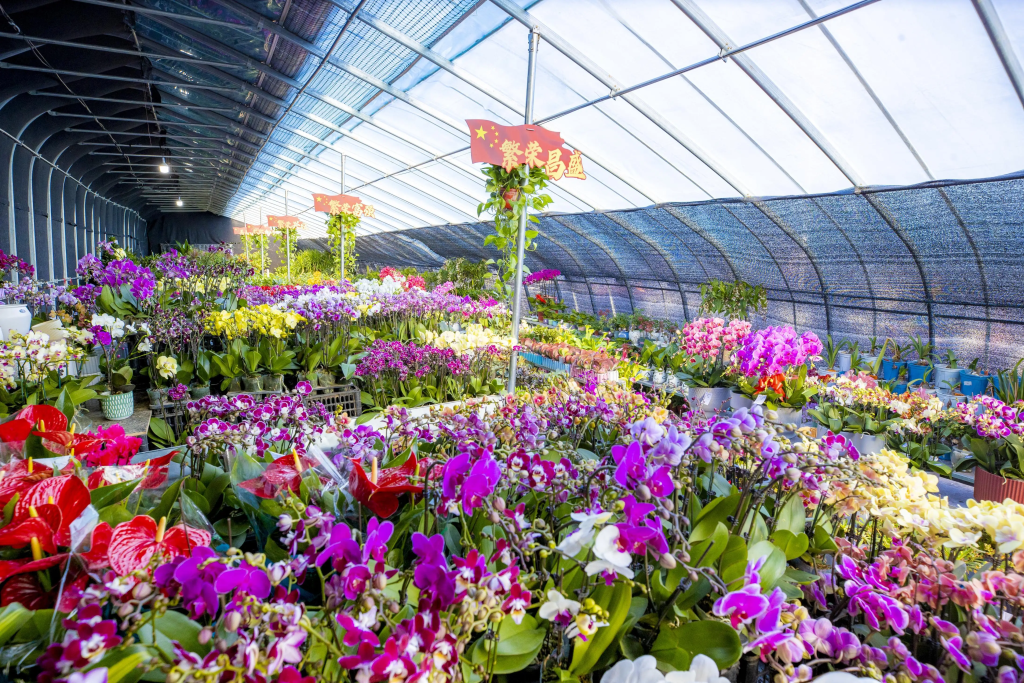
Greenhouses have become an integral part of modern agriculture, offering a controlled environment that protects crops from extreme weather, pests, and diseases. They allow for year-round production of high-value crops like vegetables, fruits, and flowers, regardless of external climatic conditions. As a result, greenhouses contribute to higher productivity, efficient land use, and the reduction of environmental impacts often associated with traditional farming.
Moreover, as global concerns over food security grow, greenhouses provide a viable solution to ensure stable food production. They are particularly crucial in areas where land and water resources are limited, allowing farmers to grow crops more efficiently with minimal resource wastage.
2. Global Market Trends in Greenhouse Construction
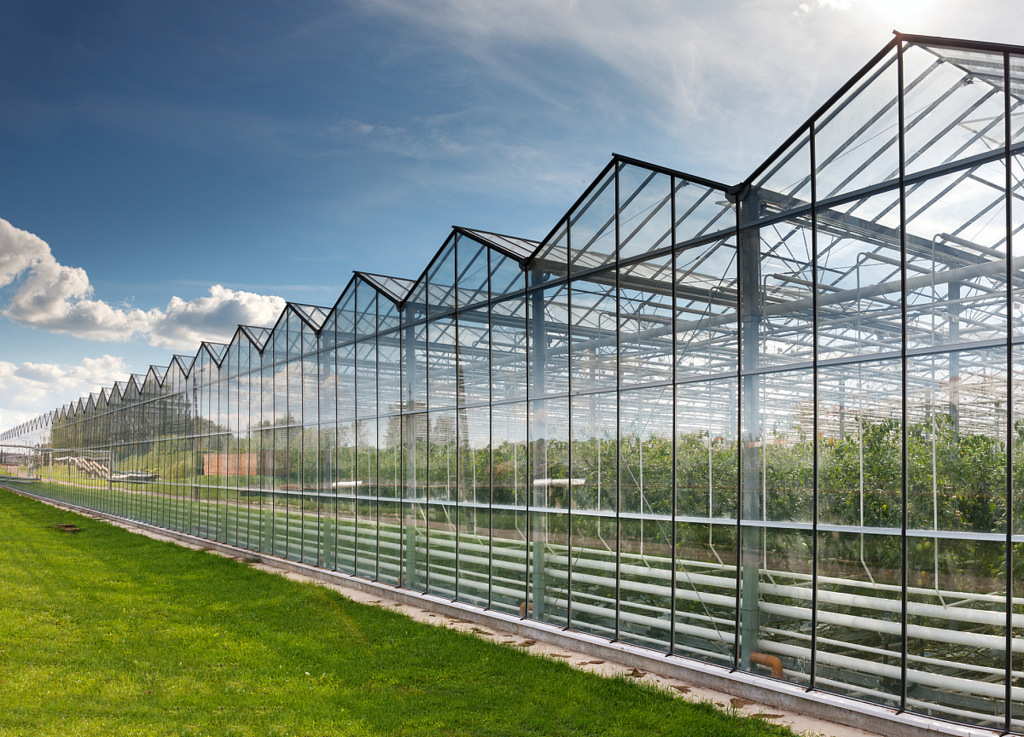
The global greenhouse construction market is expanding at a rapid pace. Several key trends are driving this growth:
A. Technological Advancements
One of the most significant trends in the greenhouse market is the adoption of advanced technologies. Traditional greenhouses are being replaced by high-tech, climate-controlled structures that integrate automation, IoT (Internet of Things), and AI-based monitoring systems. These smart greenhouses enable farmers to optimize conditions such as temperature, humidity, CO2 levels, and light intensity for each type of crop, resulting in higher yields and better-quality products.
Another key technological innovation is the use of hydroponics and aeroponics in greenhouse systems, which allow for soil-less farming and the cultivation of crops with minimal water usage. These methods are gaining popularity in regions with limited arable land and water resources.
B. Vertical Farming Integration
With urbanization increasing globally, the integration of vertical farming with greenhouses is becoming more prominent. Vertical farming allows crops to be grown in stacked layers, optimizing the use of space and reducing the need for large plots of land. In urban areas where space is limited, vertical greenhouses can be constructed on rooftops or in small indoor spaces, bringing food production closer to consumers. This innovation is expected to play a critical role in the future of urban agriculture, especially in densely populated cities.
C. Sustainable and Energy-Efficient Greenhouses
Sustainability is another major trend influencing greenhouse construction. As climate change and resource depletion continue to be global concerns, there is increasing pressure on agricultural systems to reduce their environmental impact. Greenhouses are increasingly being designed to use renewable energy sources like solar and geothermal power. For example, solar-powered greenhouses can significantly reduce energy consumption by harnessing the sun’s energy to regulate temperature and humidity.
Additionally, greenhouses with rainwater harvesting systems and closed-loop irrigation systems help conserve water, which is particularly crucial in regions facing water scarcity. These sustainable practices not only reduce the ecological footprint of greenhouse farming but also improve the cost-efficiency of greenhouse operations.
D. Expanding Product Diversification
As the demand for fresh, organic, and specialty crops increases, greenhouse operators are diversifying their product offerings. Greenhouses are no longer limited to vegetables and fruits; they are now used to grow flowers, medicinal plants, herbs, and high-value crops like cannabis in some regions where it is legalized. This diversification opens up new revenue streams for greenhouse businesses and further expands the market for greenhouse construction.
3. Regional Insights: Key Markets for Greenhouse Construction
A. Europe: Leading the Greenhouse Innovation
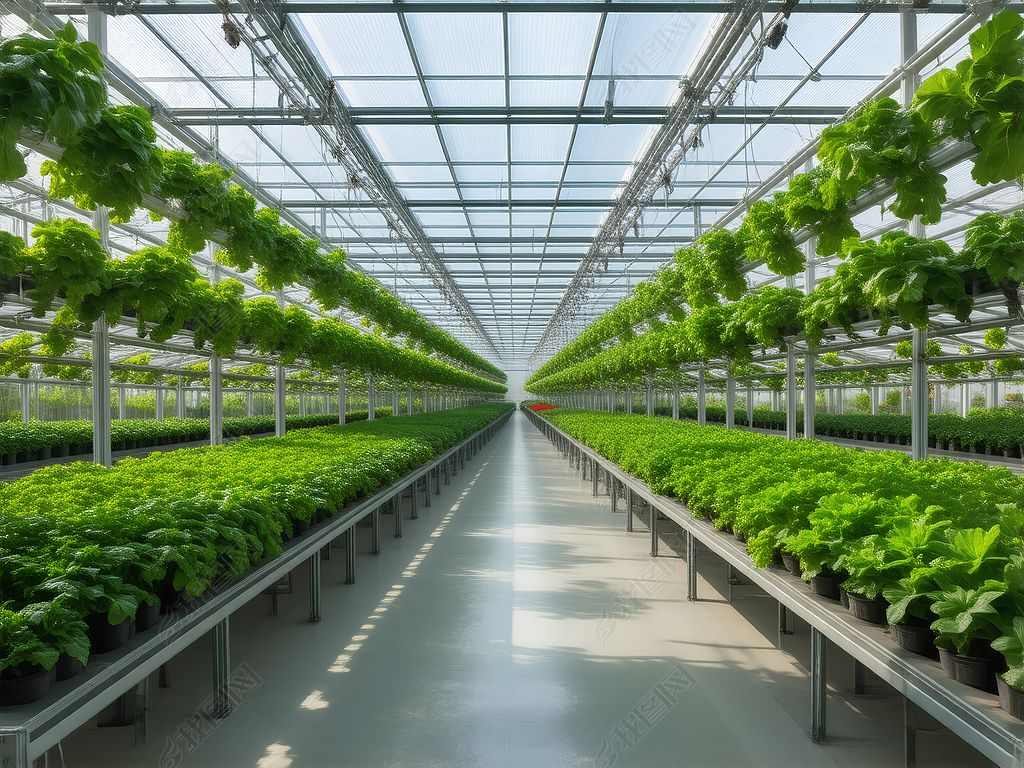
Europe remains one of the leading markets for greenhouse construction, with countries like the Netherlands, Spain, and Italy at the forefront. The Netherlands, in particular, is known for its advanced greenhouse technology, with a high level of automation and precision agriculture practices. The European Union’s support for sustainable agriculture through initiatives like the Common Agricultural Policy (CAP) has also contributed to the growth of the greenhouse sector.
In southern European countries, the warmer climate allows for extended growing seasons, making greenhouse agriculture a viable solution for producing high-quality crops year-round. Spain, for example, has become a major exporter of greenhouse-grown vegetables to other parts of Europe.
B. North America: Growing Demand for Controlled Environment Agriculture
In North America, particularly in the United States and Canada, there is an increasing focus on controlled environment agriculture (CEA) due to growing consumer demand for fresh, locally grown produce. The adoption of greenhouse systems is rapidly increasing in both rural and urban areas, driven by the desire for year-round production and reduced reliance on imports.
In Canada, for instance, greenhouse vegetable production has been growing steadily, with advanced technologies such as hydroponics being adopted in commercial greenhouses. The United States, particularly in states like California, is also investing heavily in greenhouse farming as part of efforts to address water scarcity and increase food production.
C. Asia-Pacific: Rapid Growth in Greenhouse Construction
The Asia-Pacific region is witnessing rapid growth in greenhouse construction, driven by urbanization, population growth, and the need for food security. China, Japan, and South Korea are major players in the greenhouse market, with China being one of the largest producers of greenhouse-grown vegetables in the world. The Chinese government has heavily invested in modernizing agricultural practices, including the construction of high-tech greenhouses.
In India, greenhouse farming is gaining popularity as a solution to overcome challenges like unpredictable weather and water scarcity. The country’s agricultural sector is transitioning towards more modern, resource-efficient farming methods, with greenhouses playing a crucial role in this shift.
D. Middle East & Africa: Overcoming Environmental Challenges
In regions such as the Middle East and North Africa, where arable land and water are scarce, greenhouse farming is seen as a way to overcome environmental challenges. Countries like the United Arab Emirates (UAE) and Saudi Arabia are investing in greenhouse technology to ensure food security and reduce dependence on food imports. These regions are adopting energy-efficient, water-saving technologies such as hydroponics and controlled-environment agriculture.
4. Challenges and Future Outlook
While the global greenhouse market is growing, several challenges remain. The high initial cost of greenhouse construction and technology adoption, as well as the need for specialized knowledge and skills, may limit the growth of greenhouse farming in some regions. However, as technology becomes more affordable and accessible, and as governments continue to support sustainable agricultural practices, these barriers are expected to diminish.
In the future, we can expect to see even more innovative solutions, such as the use of artificial intelligence for crop monitoring, enhanced crop breeding techniques, and the development of more advanced climate control systems. The global greenhouse market is poised for continued growth as it adapts to the changing needs of consumers and the environment.
The global greenhouse construction market is evolving rapidly, driven by technological advancements, sustainability demands, and the need to address food security challenges. With the increasing adoption of smart technologies, vertical farming, and sustainable practices, the future of greenhouse agriculture looks promising. As countries across the world invest in greenhouse infrastructure, the market will continue to expand, providing new opportunities for food production and improving agricultural efficiency globally.