How Greenhouses Are Shipped Internationally: Transportation, Packaging, and Logistics Explained
12/23/2025
Hongqiangsheng
As modern agriculture continues to expand worldwide, more growers, investors, and greenhouse contractors are choosing to source greenhouses internationally. With competitive manufacturing, advanced designs, and mature supply chains, international greenhouse procurement has become a reliable and cost-effective solution.
But how are large and complex greenhouse systems shipped across borders safely and efficiently?
This article explains how greenhouses are shipped internationally, including transportation methods, preparation steps, and key considerations for overseas projects.
Are Greenhouses Suitable for International Shipping?
Yes — greenhouses are highly suitable for international transportation.
Commercial greenhouses are designed with modular and standardized structures, allowing them to be dismantled into individual components for shipping. A typical greenhouse shipment includes:
-
Hot-dip galvanized steel structures (columns, arches, trusses, bracing)
-
Covering materials (glass, polycarbonate panels, plastic film)
-
Ventilation, shading, irrigation, and climate control systems
-
Fasteners and standard accessories
All components are packaged according to international shipping standards and are well suited for long-distance transport.
All components are packaged according to international shipping standards and are well suited for long-distance transport.
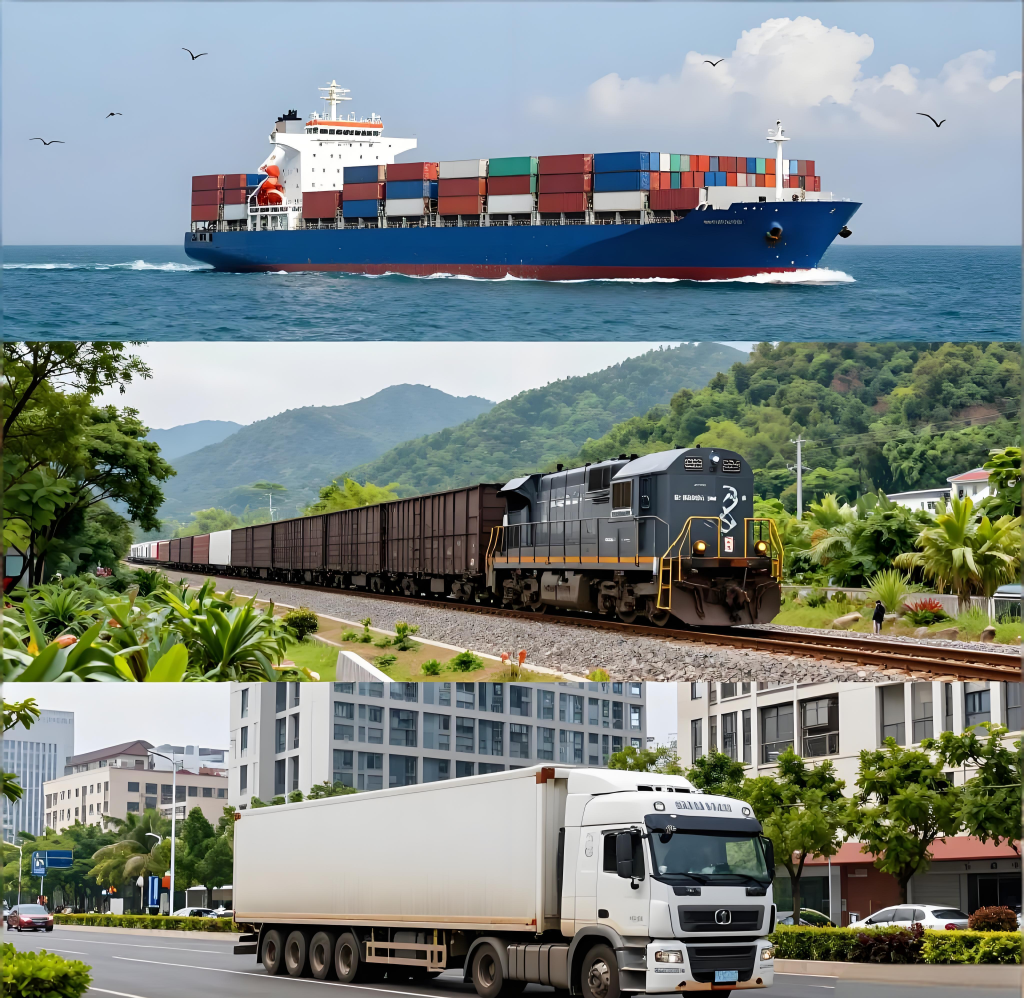
Main Methods of International Greenhouse Shipping
Sea Freight (Most Common and Cost-Effective)
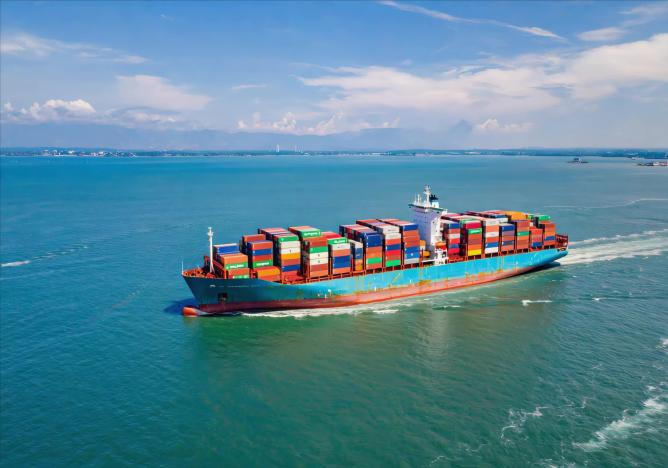
Sea freight is the most widely used method for shipping greenhouses internationally, especially for commercial and large-scale projects.
-
Suitable for:
-
Common container types:
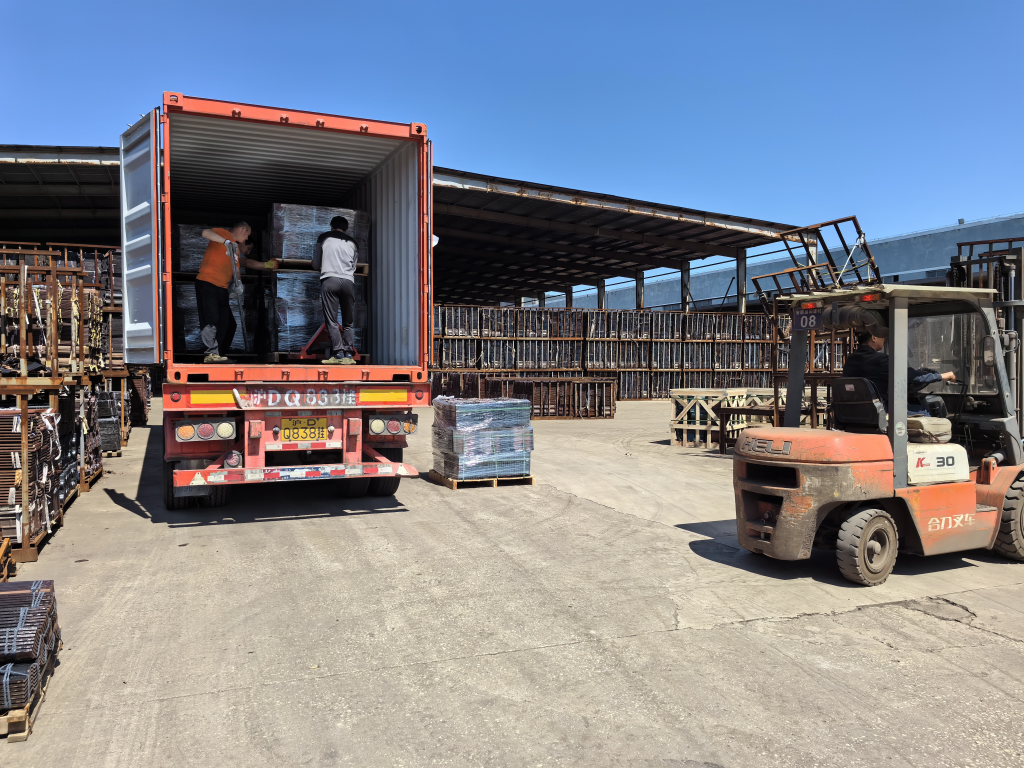
Steel structures are typically bundled and loaded directly into containers, while glass and fragile materials are packed in reinforced wooden crates or steel frames to ensure safety during transport.
Rail Transport and Multimodal Logistics
For certain regions, alternative logistics solutions may be applied, such as:
These flexible shipping solutions allow greenhouse components to reach inland destinations efficiently while adapting to local infrastructure conditions.
Key Preparation Before International Shipping
Professional Packaging Solutions
Proper packaging is critical to protect greenhouse components during long-distance transportation:
-
Steel structures: anti-rust and moisture-proof packaging
-
Plastic films and panels: pressure-resistant and UV-protected packaging
-
Glass: reinforced wooden crates or steel racks
Well-designed packaging significantly reduces the risk of damage and ensures safe delivery.
Container Loading Optimization
Experienced greenhouse manufacturers carefully plan:
This approach helps optimize container usage and reduce overall shipping costs for customers.
Export Documentation and Customs Support
International greenhouse shipments usually require:
Reliable greenhouse suppliers often assist customers with the full set of export and customs documentation, ensuring a smooth shipping process.
Shipping Time Disclaimer (For Reference Only)
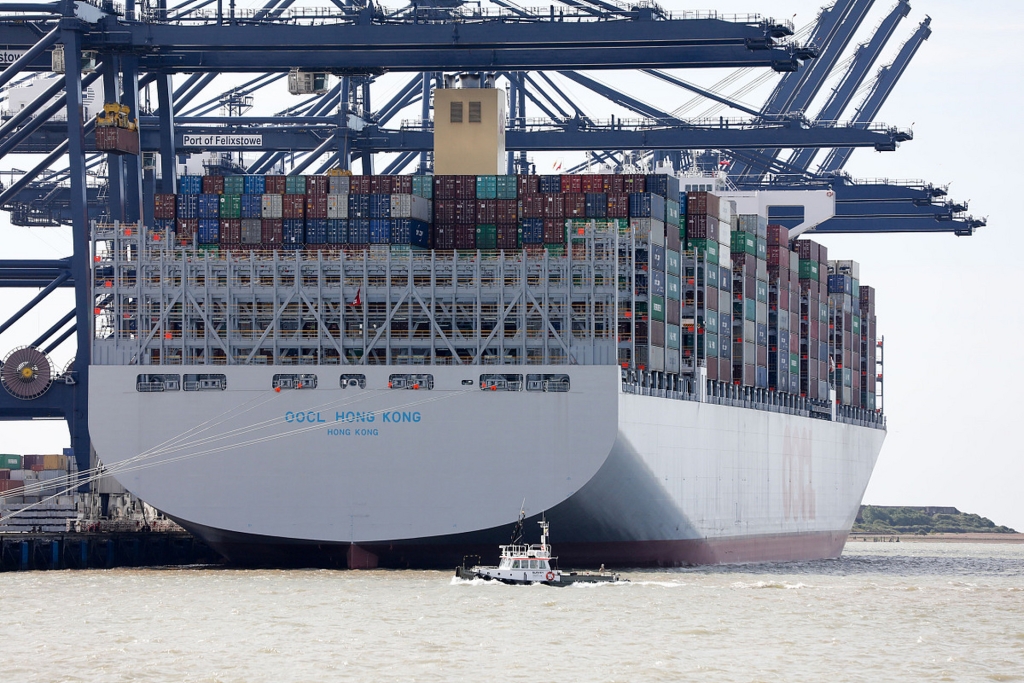
International greenhouse shipping time depends on multiple factors, including:
-
Port of loading and port of destination
-
Shipping routes and vessel schedules
-
Port congestion
-
Customs clearance efficiency
-
Weather and other uncontrollable factors
Therefore, all shipping timelines are provided for reference only and are subject to actual logistics conditions.
Professional suppliers typically plan shipments in advance to help customers manage overall project schedules more effectively.
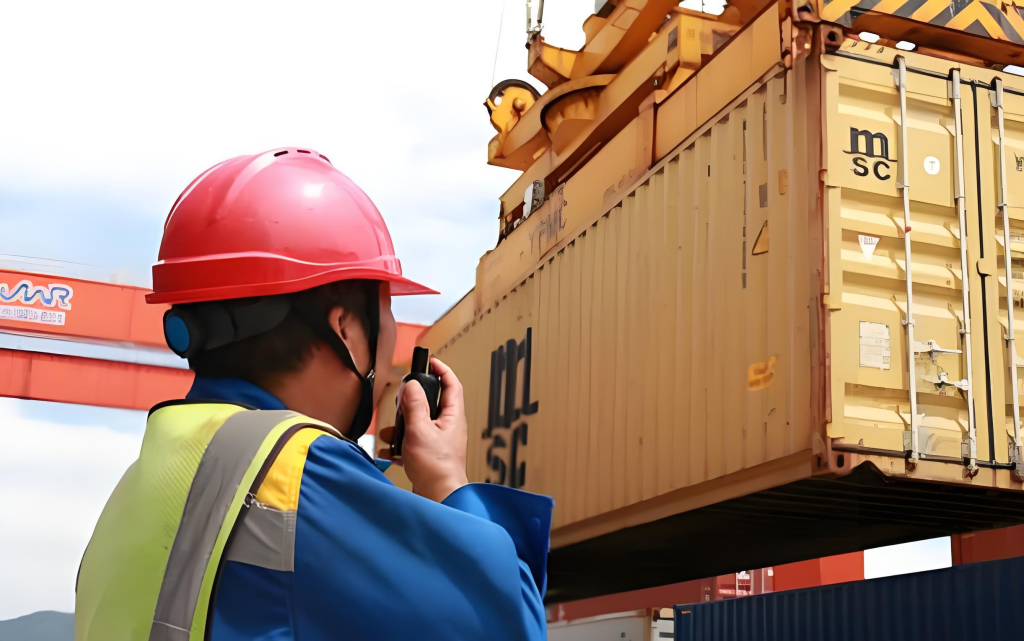
What Happens After Arrival at the Destination Port?
After the greenhouse shipment arrives, the standard process includes:
-
Customs clearance at the destination port
-
Container pickup or unpacking
-
Inland transportation to the project site
-
Installation according to construction drawings
For large-scale greenhouse projects, suppliers may also provide:

Why Choose an Experienced Greenhouse Manufacturer?
In international greenhouse projects, experience matters more than price alone.
A professional greenhouse manufacturer offers more than just products, including:
-
Proven international shipping solutions
-
Optimized packaging and container loading
-
Knowledge of different country regulations and standards
-
Comprehensive technical and after-sales support
This significantly reduces project risk and ensures smooth delivery and installation.
Making International Greenhouse Projects Simple and Reliable
International greenhouse shipping is now a mature and well-managed process.
With proper design, professional manufacturing, and efficient logistics planning, greenhouse systems can be delivered safely and efficiently to projects around the world.
If you are planning an overseas greenhouse project, choosing a supplier with global shipping experience, strong technical support, and turnkey capabilities will help ensure long-term project success.