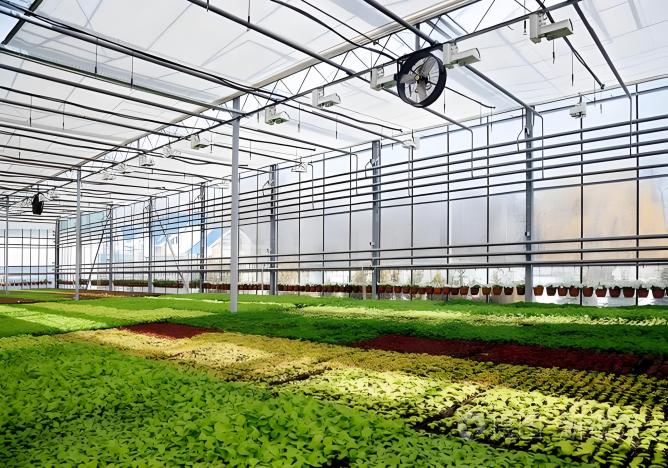
Greenhouse Climate Control: How to Ensure Crop Growth Under Extreme Climate Conditions
03/02/2026
Hongqiangsheng
As global climate change intensifies, extreme weather events are becoming more frequent. High temperatures, cold spells, and storms present significant challenges to agricultural production. In this context, greenhouses offer a reliable solution, helping farmers ensure stable crop growth despite extreme weather conditions. This article explores how greenhouse climate control technologies can address these challenges and provide an ideal environment for crop growth.
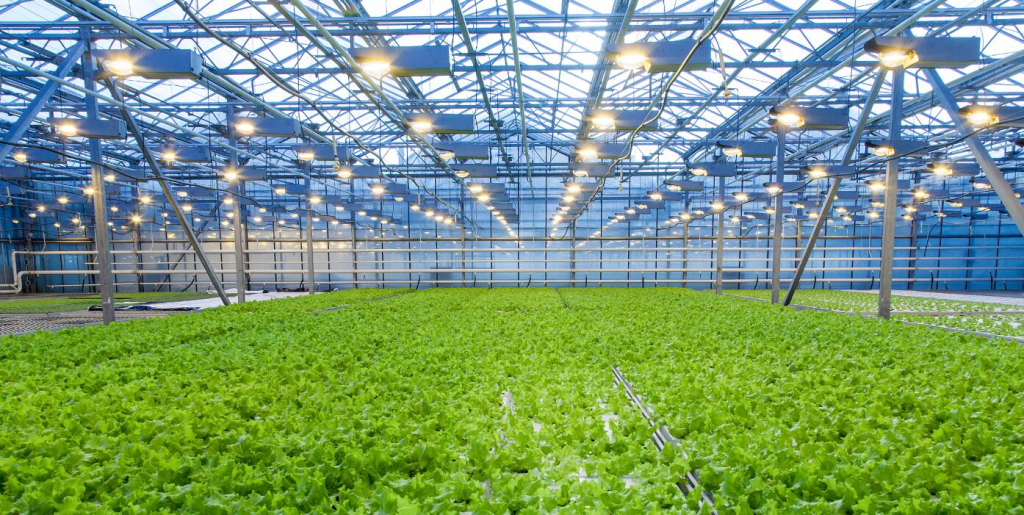
1. Greenhouse Climate Control Technologies
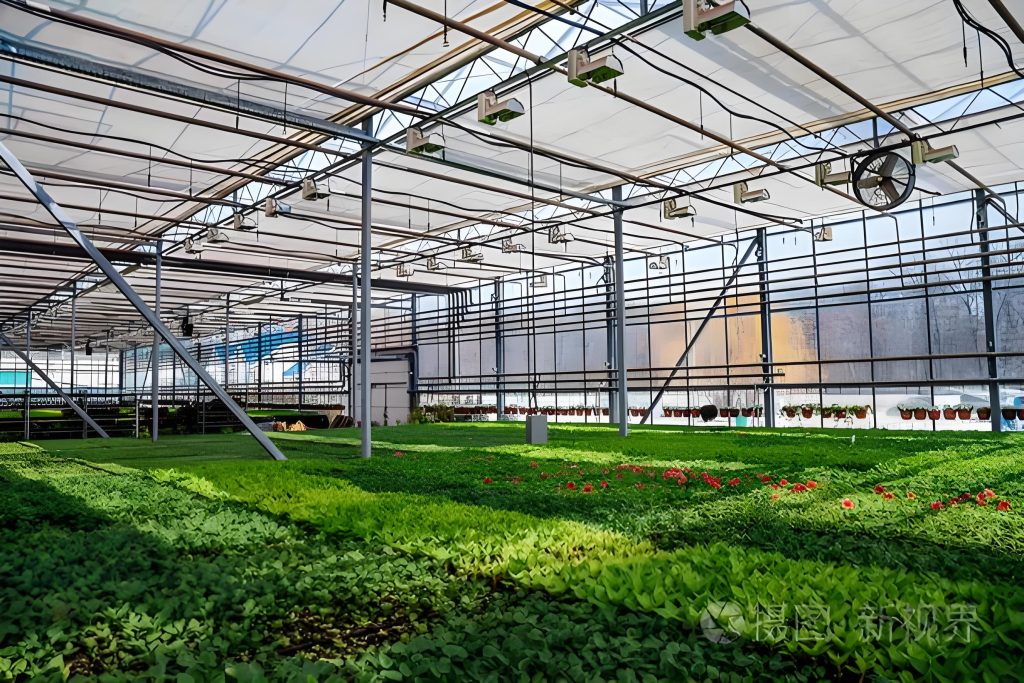
A greenhouse simulates ideal growing conditions by controlling environmental parameters, providing stable temperature, humidity, and light for crops. Especially under extreme climate conditions, greenhouse climate control systems are essential. Common greenhouse climate control technologies include:
-
Temperature Control System: Temperature is one of the key factors affecting crop growth. Temperature in a greenhouse can be regulated through heating and ventilation systems. Modern greenhouses use smart temperature control systems that monitor temperature changes in real time, automatically activating heating, cooling, or ventilation equipment to ensure the temperature stays within the optimal range for crop growth.
-
Humidity Control System: Humidity is crucial for crop growth; both too high and too low humidity can lead to poor growth or pest outbreaks. The humidity control system in greenhouses uses automatic misting or dehumidification devices to precisely adjust the humidity in the air, keeping it at the optimal level.
-
Light Management: During winter or cloudy days when natural light is insufficient, greenhouses are typically equipped with artificial lighting systems, especially LED grow lights, to simulate sunlight and provide the light crops need. The smart lighting system can automatically adjust light intensity based on weather changes, ensuring that crops always receive the optimal lighting conditions.
-
Carbon Dioxide (CO2) Supplementation System: The concentration of CO2 in the greenhouse plays a significant role in photosynthesis. By supplementing CO2, greenhouses can enhance photosynthesis efficiency, promoting better plant growth.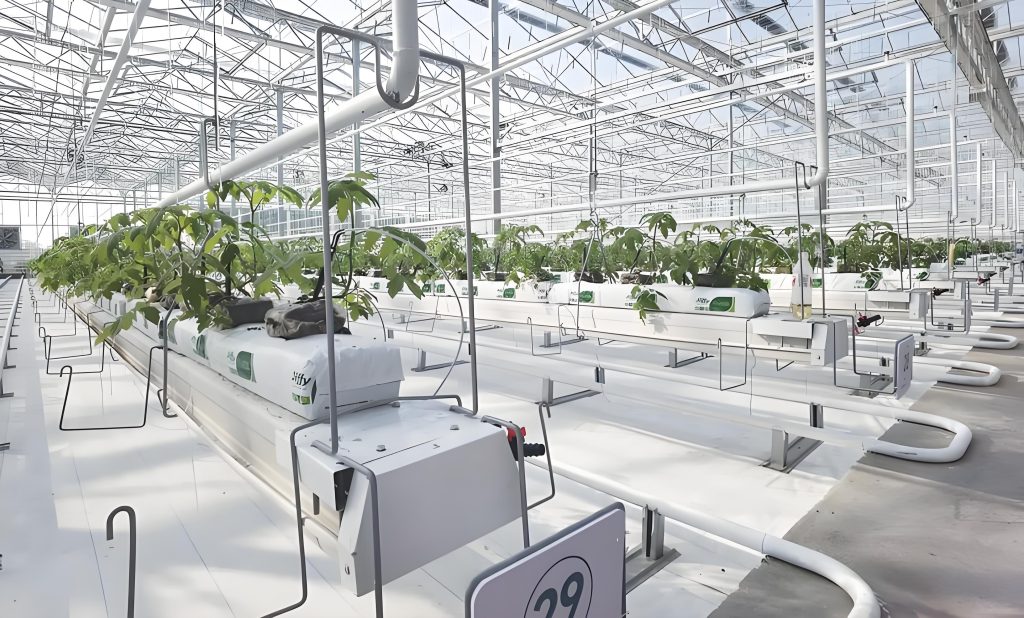
2. Greenhouse Design to Counter Extreme Climates
In addition to climate control systems, the design of the greenhouse is crucial for addressing extreme climate conditions. Modern greenhouse designs take into account the impacts of various extreme climate factors:
-
Insulating Materials and Double-Glazed Glass: To cope with cold weather, greenhouses typically use high-efficiency insulating materials and double-glazed glass structures that effectively retain heat. Double-glazed greenhouses not only provide insulation but also reduce energy loss, ensuring stable internal temperatures.
-
Ventilation System: During hot summer months, greenhouses may experience overheating. To avoid this, greenhouses are equipped with natural or mechanical ventilation systems that help air circulate and lower the temperature inside. Automatic window opening and fan systems can be activated when temperatures become too high, rapidly expelling hot air.
-
Wind-Resistant Design: In areas with strong winds, greenhouses must have sufficient wind resistance. Many greenhouses are designed with sturdy steel frame structures and reinforced transparent covering materials to ensure they can withstand the impact of strong winds.
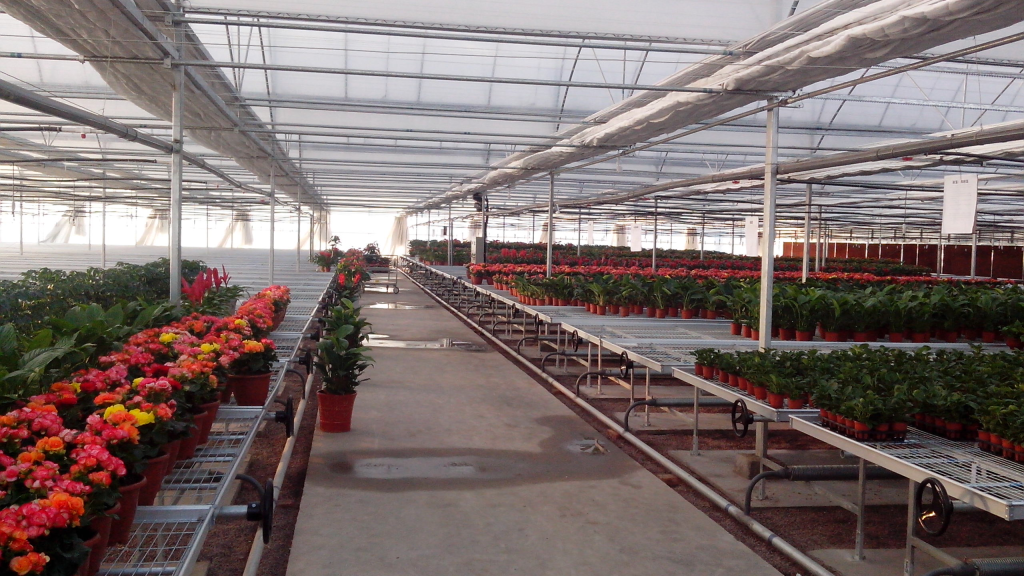
3. Smart Greenhouses and Remote Monitoring
With the development of the Internet of Things (IoT) and Artificial Intelligence (AI) technologies, smart greenhouses are gradually becoming a trend in modern agriculture. By using sensors, data analysis, and automated control systems, greenhouse climate control can be managed more precisely and efficiently.
-
Real-Time Data Monitoring: Various sensors inside the greenhouse can monitor temperature, humidity, light intensity, and CO2 concentration in real time. This data is transmitted to a central control system, allowing farmers to view it via their mobile phones or computers and make adjustments to the greenhouse environment as needed.
-
Automated Management: Smart greenhouses can automatically adjust conditions based on climate and crop requirements. For example, the temperature and humidity inside the greenhouse can be automatically adjusted under the guidance of the system, reducing manual intervention and lowering management costs.
-
Predictive Analysis: Using big data and AI technologies, smart greenhouses can predict climate changes in the coming days and take preventive measures, such as adjusting temperature or humidity, ensuring that crops are not affected by extreme weather conditions.
4. The Future of Greenhouse Agriculture
As climate change intensifies and the global population increases, greenhouse agriculture will play an increasingly important role in the future. Through efficient climate control systems, greenhouses can not only provide a stable growing environment for crops but also improve agricultural production efficiency and sustainability.
In the future, greenhouse design and management will become more intelligent and precise. With continuous technological advancements, greenhouses will be able to respond more flexibly to varying climate changes, providing more reliable support for global agricultural production.
Greenhouse climate control technologies are essential for addressing extreme climate conditions and ensuring crop growth. By precisely controlling temperature, humidity, light, and CO2 levels, greenhouses not only provide ideal growth environments for crops but also help maintain stability and efficiency in agricultural production despite unpredictable climate conditions. As intelligent technologies evolve, future greenhouses will become even more automated, further improving the sustainability and efficiency of agricultural production. Greenhouses will become a crucial tool in combating climate change and ensuring food security in future agriculture.