Greenhouse Design Points
01 Selection of Greenhouse Materials
The selection of greenhouse frames needs to comprehensively consider the service life of the greenhouse main body, rust and corrosion resistance, and the light needs of the plants in the greenhouse. If the crops have high requirements for light, it is recommended to use white spray-coated frames—their appearance is clean and beautiful, the rectangular tube has a large reflective surface, and the application of high-reflective spray coating can effectively reduce the heat absorption rate. On sunny days in summer, the surface temperature of the spray-coated frame is 1/3 lower than that of ordinary steel structure greenhouses, which can reduce the impact of high temperatures on crops.
The selection of curtains also needs to meet the light needs of plants. High-efficiency production greenhouses are suitable for high-reflective curtains, which can maximize the creation of a uniform and sufficient light environment for plants and assist crop photosynthesis.
02 Natural Ventilation Design
Natural ventilation is the most economical and important cooling method for greenhouses. It is necessary to set sufficient area of air outlets to ensure that the designed ventilation volume of the ventilation system meets the maximum necessary ventilation demand for cooling and dehumidification. The top window ventilation design must include both leeward and windward windows, adapting to the changes in wind direction throughout the year—opening the windward windows has a better effect of cooling and dehumidification. If only a small degree of cooling is needed, the leeward skylights can be opened separately. In summer, the combination of opening leeward and windward windows can achieve cooling through natural ventilation, avoiding opening the wet curtain fan too early and reducing the later operation cost.
03 Reduce Shading Area
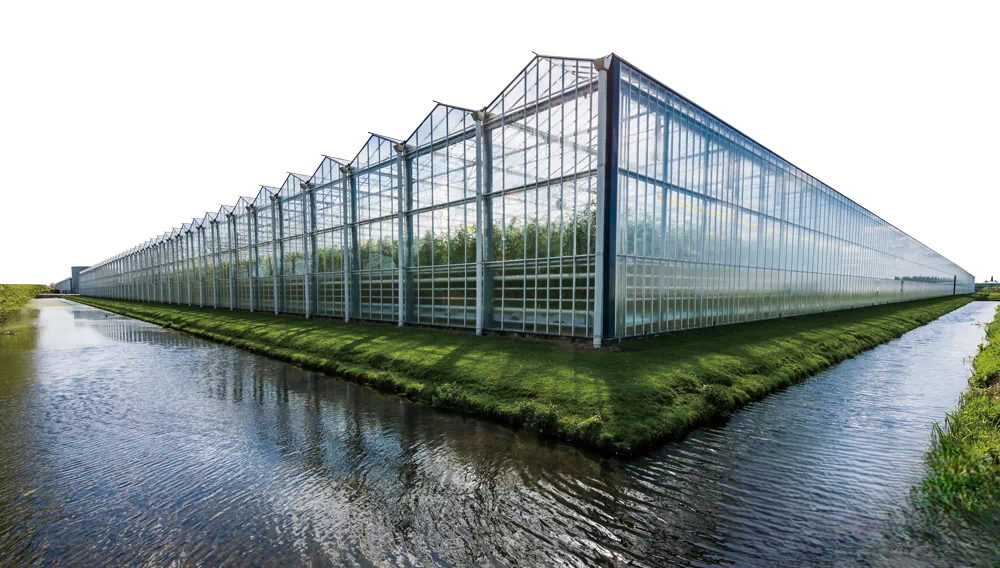
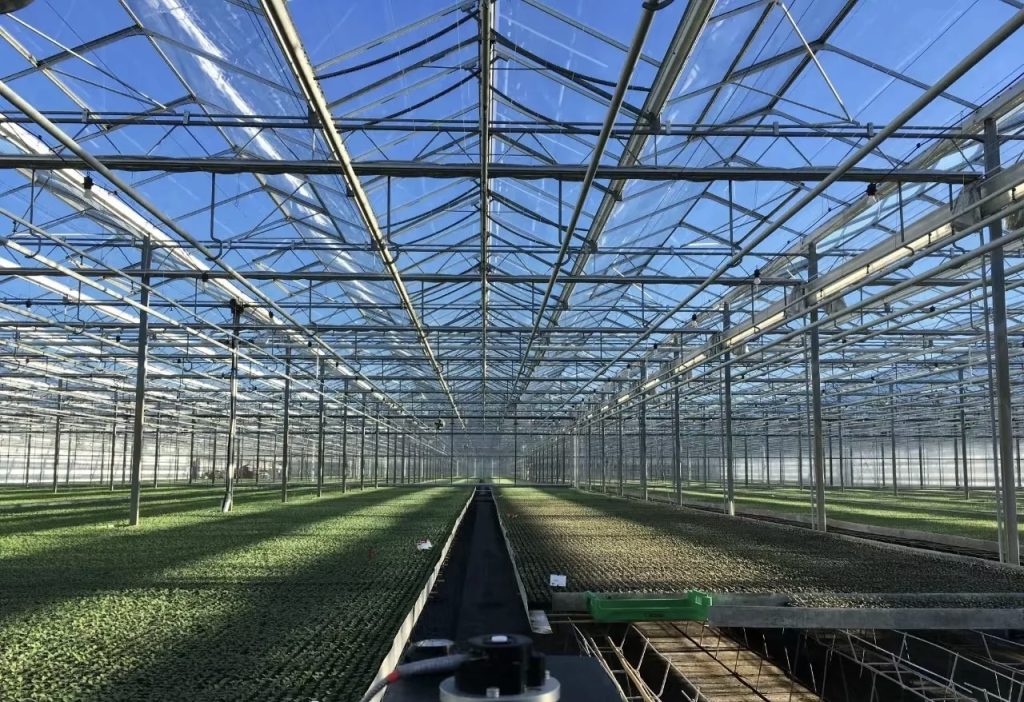
Dutch greenhouses have a large single area, and trusses are only installed in the gutter direction. Most greenhouses in China have trusses installed in both the gutter and bay directions. On the basis of meeting structural calculation standards, we can learn from the Dutch installation method, which can not only save costs but also reduce the shading area caused by trusses on crops.
The installation of the curtain system must consider the shading area after the curtain is retracted. It is recommended to use the steel cable curtain pulling method. Although the steel cable curtain pulling has extremely high requirements on the installation process, compared with the gear rack curtain pulling system, it can save costs and significantly reduce the shading area, ensuring the light needs of crops.
04 Consider the Energy-Saving Effect of Different Curtain Installation Forms
Triangular curtain installation: When the greenhouse area is large, the internal temperature is prone to imbalance, leading to large temperature differences between crops. The combination of internal thermal insulation curtains and triangular curtains can be adopted to divide multiple small areas, realizing balanced temperature control in each small area and ensuring the consistency of crop growth.
Opposite curtain installation: When the curtains are fully extended, air circulation is likely to be poor. Installing the internal sunshade curtain and internal thermal insulation curtain on opposite sides can effectively increase air circulation. It should be noted to ensure that the spacing after the curtains are retracted is small, so as to avoid increasing the shading area due to excessive spacing.
05 Reasonably Locate the Position of Inter-Row Heating Pipes
The installation position of inter-row heating pipes directly affects the fruit ripening. Installing the heating pipes at the position of the first ear of fruit can accelerate fruit color change and advance the harvesting period, which is suitable for tomato varieties with a long harvesting period. If installed in the middle position (corresponding to the height of the third and fourth ears of fruit), it can promote fruit enlargement, but due to insufficient nutrient supply from the roots to meet the needs of the plants, the harvesting period will be shortened. Therefore, greenhouses currently planting tomatoes generally adopt double-layer heating pipes. Before design, it is necessary to fully communicate with planting technicians to clarify their planting needs and reasonably determine the position of the heating pipes.
06 Balance Temperature and Humidity
The high-pressure spray system widely used in the Netherlands can accurately control the air temperature and humidity in the greenhouse, effectively regulate the water absorption of crop leaves. It can reduce the temperature by 5℃ in unshaded greenhouses and 7℃ in shaded greenhouses. The system can provide immediate humidification, minimize bacterial growth, and avoid damage to crops and flowers.
The high-pressure spray system can operate under extremely high pressure of about 10MPa, producing fine droplets with a diameter of about 10μm. These fine droplets evaporate quickly and will not attach to the plant leaves, achieving the best cooling effect. Compared with other systems, it can also reduce water consumption. If some crops do not need humidification while cooling, a spray cooling system can be installed outside the top of the greenhouse, which can generally achieve a cooling effect of 1 to 2℃.
07 Consider Light Pollution Issues
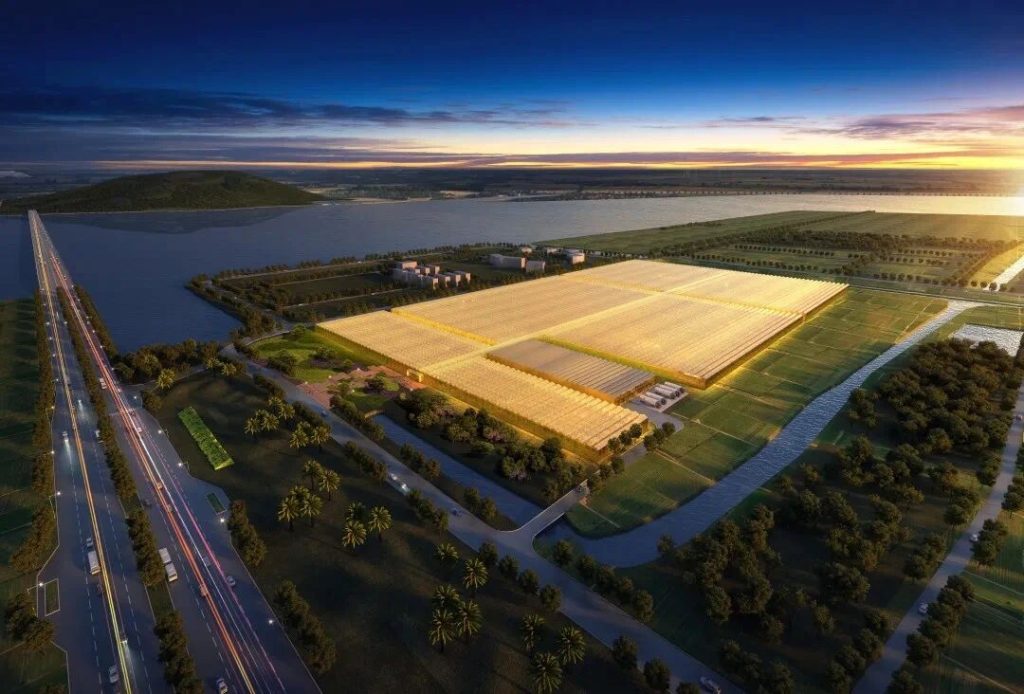
To avoid light pollution from the greenhouse affecting the lives of surrounding residents, a side rolling system can be installed around the greenhouse. This system has three functions: it can insulate heat and cool down in summer, preventing heat from entering the greenhouse; it can keep warm and retain heat in winter, reducing heat loss in the greenhouse; at the same time, it can effectively block the greenhouse light and avoid light pollution.
08 Ensure the Comfort of Laborers at Work
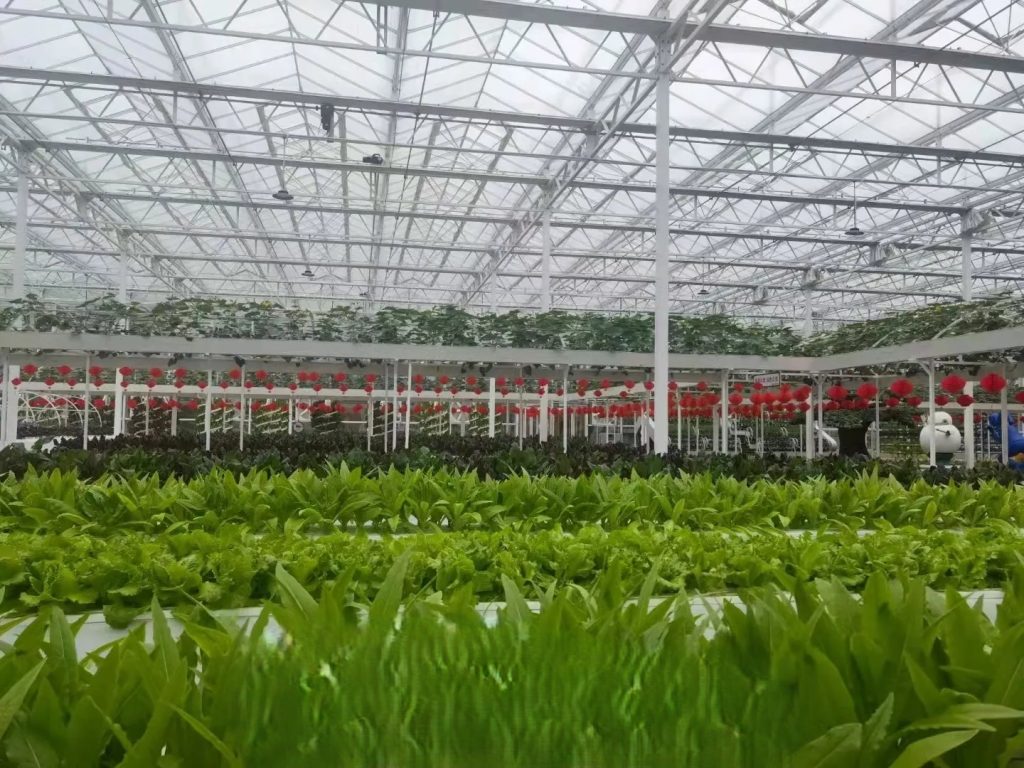
Reasonably designing the greenhouse layout to create a comfortable working environment for laborers can stimulate their work enthusiasm and improve work efficiency. For example, the height of the cultivation trough is recommended to be 70 to 80 cm from the ground, which is convenient for laborers to operate standing up and avoids long-term bending strain. Installing white sunshade nets only above the greenhouse aisles can block direct sunlight, reduce the temperature of the aisles, provide a comfortable working environment for laborers, and not affect the light needs of crops on both sides of the aisles.