Detailed Greenhouse Construction Process: From Planning to Construction
01/05/2026
Hongqiangsheng
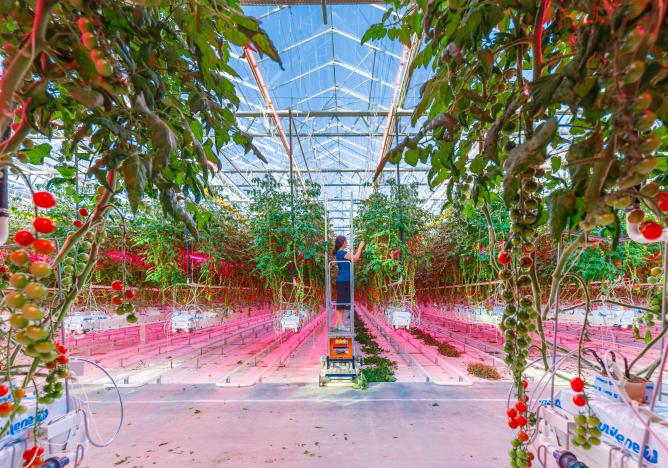
Greenhouse construction is a complex process that involves multiple stages, from the initial planning to the final construction. Each phase requires meticulous design and careful coordination. By ensuring proper planning and execution, you can build an efficient and sustainable greenhouse that meets the needs of different crops. This article will provide a detailed overview of the various stages of greenhouse construction, helping you understand the entire process from planning to construction.
1. Project Planning: Defining Needs and Goals
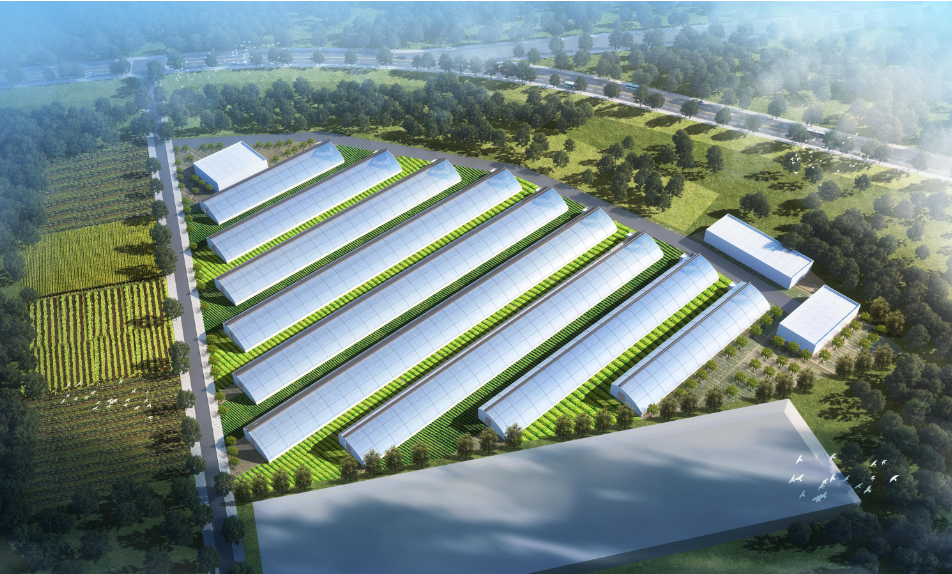
The first step in greenhouse construction is defining the needs and goals. During the planning stage, you need to determine the type, purpose, and location of the greenhouse. Key factors to consider include:
-
Selection of Greenhouse Type
-
Glass Greenhouse: Suitable for high-end agricultural production, providing excellent light and temperature control, ideal for high-value crops.
-
Plastic Film Greenhouse: Cost-effective, easy to build, suitable for large-scale agricultural production.
-
Greenhouse Tunnels: Ideal for home gardening or small-scale commercial cultivation.
-
Site Selection
-
When selecting the site for the greenhouse, factors such as sunlight exposure, geographical location, climate conditions, and soil quality need to be considered.
-
Crop Requirement Analysis
-
Design the greenhouse environment control systems based on the crops you plan to grow, such as temperature, humidity, and light.
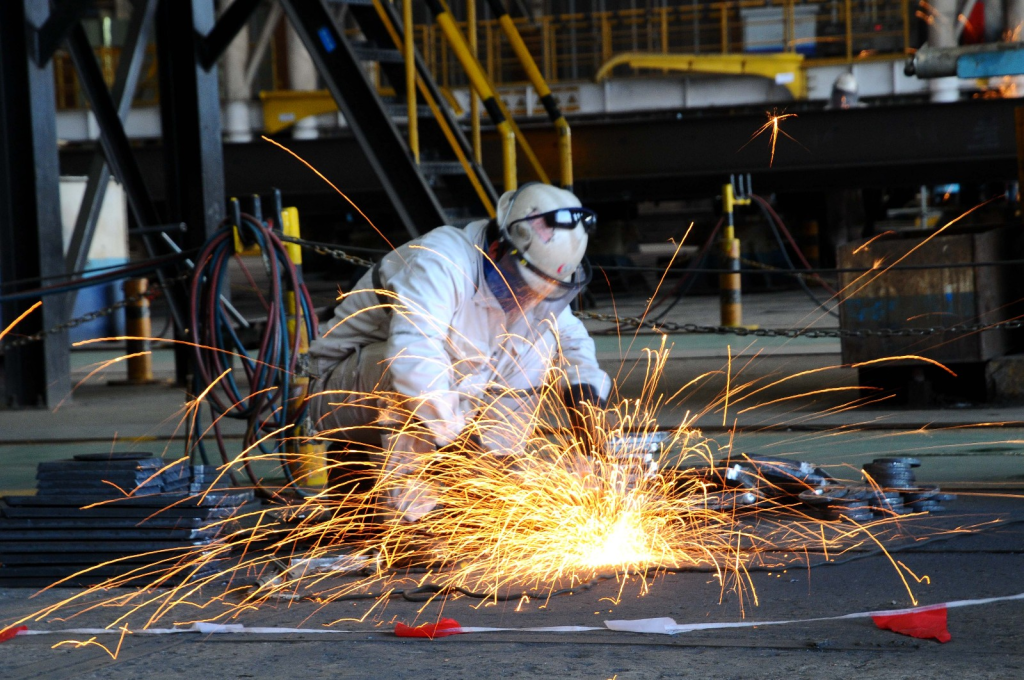
2. Greenhouse Design: Structuring and System Configuration
Once the project planning is complete, the next step is the detailed design stage of the greenhouse. This phase includes designing the structure of the greenhouse and configuring the internal systems.
-
Structural Design
-
System Configuration
-
Climate Control System: Includes heating, ventilation, and shading systems to regulate temperature and humidity inside the greenhouse.
-
Irrigation System: Configuring drip irrigation, sprinkler systems, or other efficient irrigation methods based on crop requirements.
-
Energy-Efficiency Design
3. Material Procurement: Choosing Quality Construction Materials
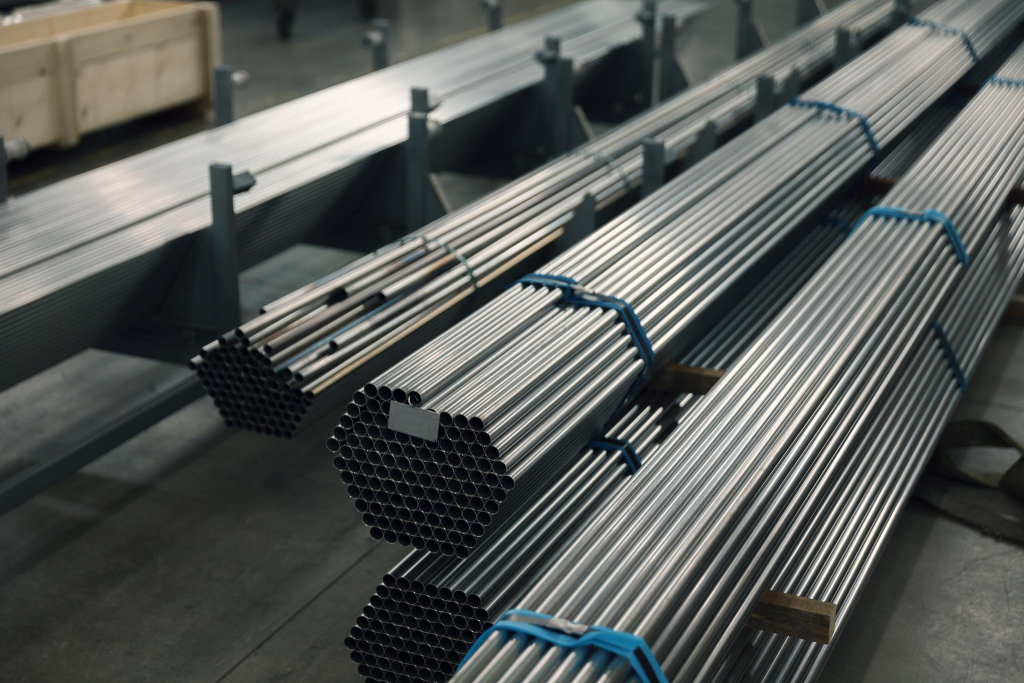
The quality of the greenhouse depends largely on the materials used. Choosing high-quality construction materials will not only enhance the durability of the greenhouse but also reduce long-term maintenance costs.
-
Frame Materials
-
Steel pipes, aluminum alloys, and other materials are commonly used for the greenhouse frame, offering high strength and corrosion resistance.
-
Covering Materials
-
System Equipment
4. Construction Phase: From Foundation to Frame Setup
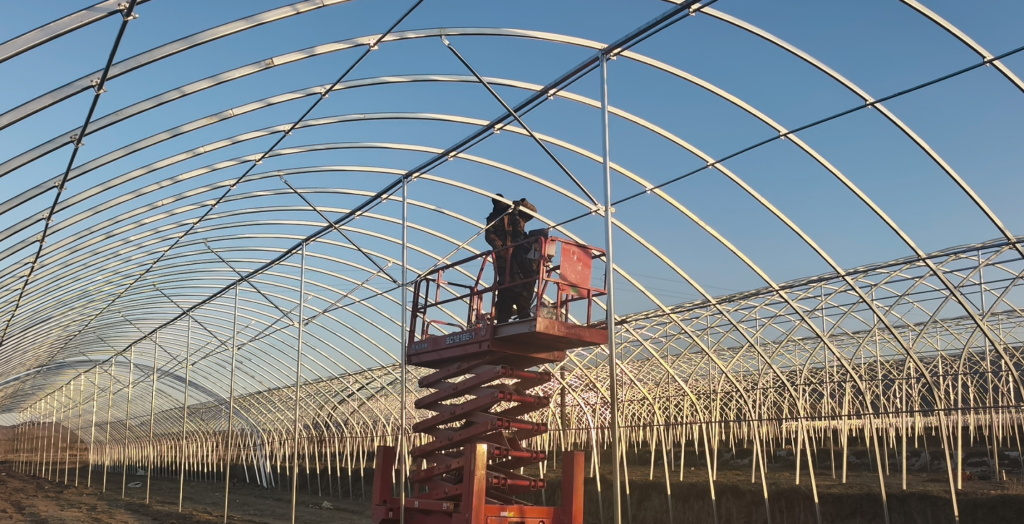
After completing the design and material preparation, the greenhouse moves into the construction phase. The construction process is broken down into several key steps:
-
Foundation Construction
-
Frame Construction
-
System Installation
-
Covering Material Installation
-
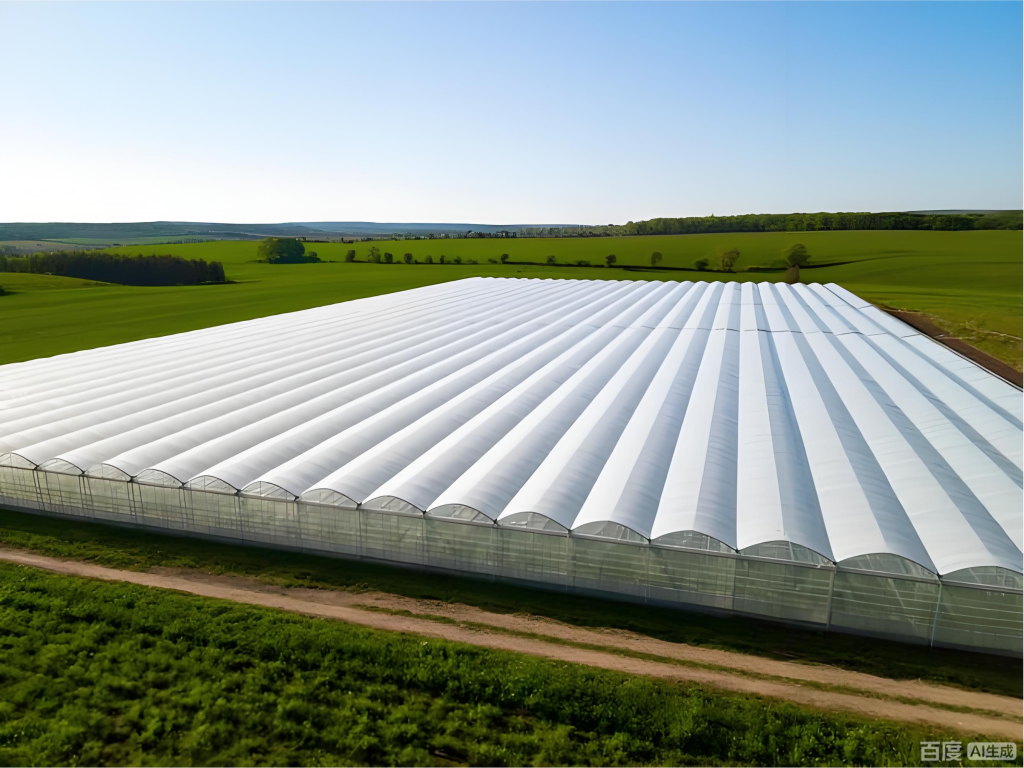
The selected covering materials, such as glass or plastic film, are installed, ensuring proper sealing to prevent heat loss and moisture evaporation.
5. Inspection and Debugging: Ensuring System Functionality
After the construction is completed, the next step is system debugging and quality inspection. This phase ensures that all systems function smoothly and the greenhouse meets the design specifications.
-
System Debugging
-
Quality Inspection
6. Post-Construction Maintenance: Extending the Greenhouse’s Lifespan
Long-term effective operation of the greenhouse relies on regular maintenance and inspections. Regular checks and repairs can extend the greenhouse’s lifespan and ensure healthy crop growth.
-
Equipment Inspection
-
Structure Maintenance
Greenhouse construction is a multi-disciplinary project, and each stage requires careful consideration. Through proper design, high-quality materials, and detailed construction management, you can build an efficient and sustainable greenhouse that supports agricultural production. We hope this article provides valuable guidance for your greenhouse construction and helps you achieve your agricultural goals.